
You rinse the sink and notice streaks of red. It happens once, then again a few days later. Many people ignore it because the bleeding stops within seconds. Others assume they brushed too hard and move on. But your gums do not bleed without a reason. Healthy gum tissue usually stays firm, pink, and stable during everyday brushing.
Occasional bleeding does happen. A new flossing routine, temporary irritation, or a minor injury inside the mouth sometimes triggers it. Still, repeated bleeding deserves attention because your gums often signal problems long before pain appears.
When gum bleeding while brushing starts becoming a pattern instead of an isolated event, your mouth might be trying to tell you something important.
Why Healthy Gums Normally Do Not Bleed?
Your gums contain tiny blood vessels that support and nourish the surrounding tissues. Strong gum tissue acts as a protective barrier around your teeth. During routine brushing or flossing, healthy gums stay intact because inflammation and tissue damage are absent.
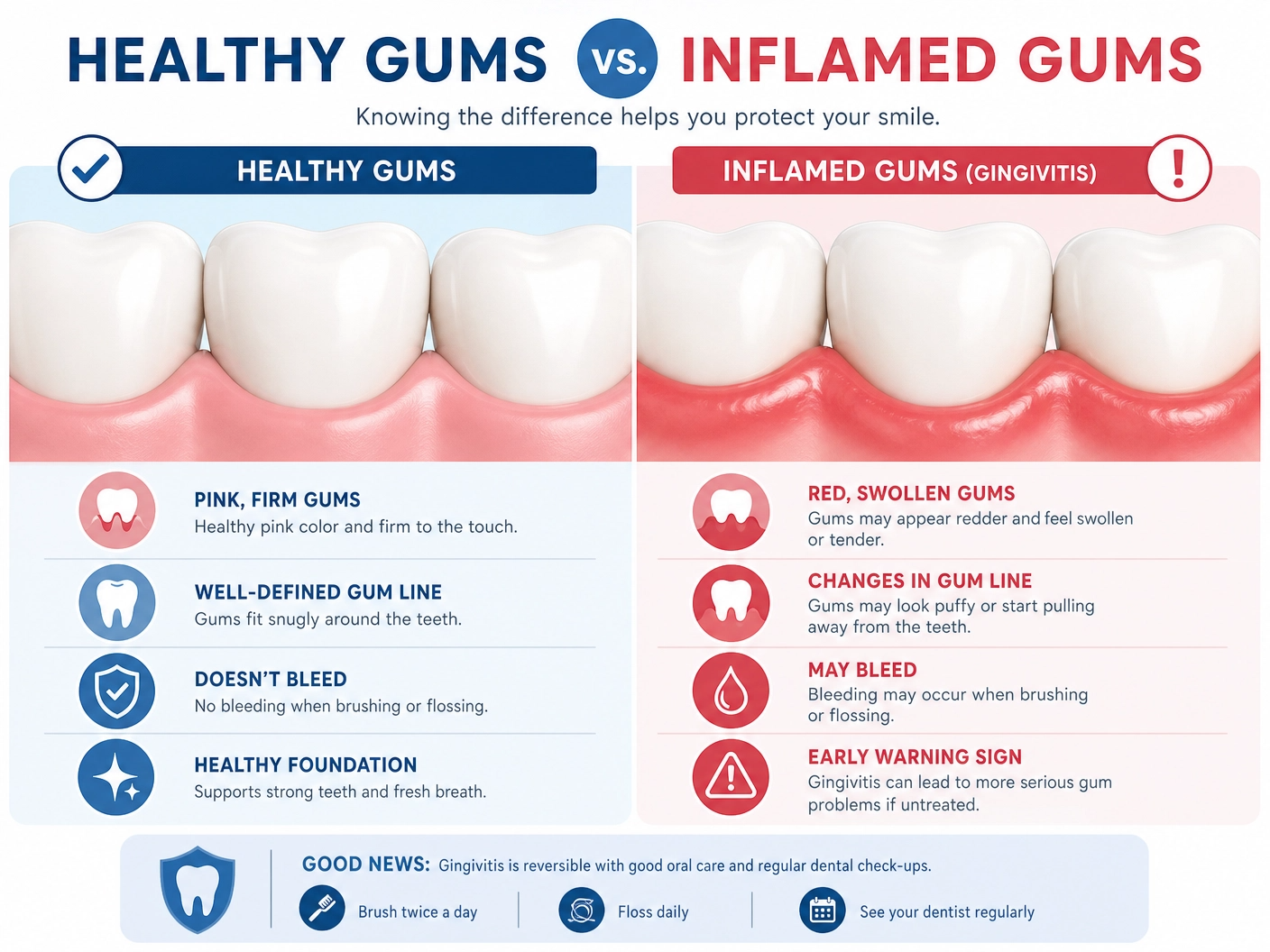
Bleeding often begins when irritation causes swelling. Inflamed tissues become sensitive and react more easily to pressure. Something as simple as brushing along the gumline starts producing blood because the tissue is already irritated beneath the surface.
Many people assume bleeding gums equal aggressive brushing. Sometimes that is true. Yet brushing pressure is not always the root issue.
Your gums respond to changes happening inside your mouth and sometimes throughout your body.
Situations Where Bleeding Might Be Temporary
Not every episode of bleeding points to a serious dental problem. There are situations where mild bleeding appears briefly and then disappears.
I. Starting a New Flossing Habit
People who rarely floss often notice bleeding during the first week of regular flossing. Plaque and bacteria sit between teeth and irritate. Once floss begins removing debris consistently, the gums gradually adjust.
Short-term bleeding after beginning flossing often settles within several days.
II. Brushing Too Aggressively
Hard-bristled toothbrushes and forceful brushing techniques place extra stress on gum tissue. Scrubbing your teeth harder does not produce a cleaner mouth. It often creates the opposite effect.
Signs of aggressive brushing include:
- Receding gumlines
- Tooth sensitivity
- Worn enamel
- Soreness near the gums
- Small areas of irritation
Sometimes gum bleeding while brushing improves after switching to a soft-bristle toothbrush and reducing pressure.
III. Minor Injuries Inside the Mouth
Sharp foods, accidental bites, or irritation from dental appliances occasionally cause bleeding. These situations often heal without treatment.
Still, symptoms should disappear after several days.
When Bleeding Becomes a Warning Sign?
Frequency matters.
Bleeding once after eating hard food differs from bleeding every morning during brushing. Persistent symptoms often suggest inflammation or disease progression.
If gum bleeding while brushing continues repeatedly over days or weeks, underlying problems deserve attention.
I. Gingivitis
Gingivitis stands among the most common causes of bleeding gums.
Plaque forms naturally on teeth throughout the day. Without proper cleaning, bacteria multiply and collect around the gumline. The gums react by becoming inflamed.
Early symptoms include:
- Redness
- Swelling
- Tender gums
- Bleeding during brushing
- Persistent bad breath
Many people ignore these signs because pain often remains absent during the early stages.
That creates a problem.
Gingivitis often progresses quietly.
II. Periodontal Disease
Untreated gingivitis sometimes develops into periodontal disease, also called gum disease.
At this stage, inflammation starts affecting deeper tissues supporting the teeth. Bacteria spread beneath the gums and begin damaging structures around the tooth roots.
Symptoms become more noticeable:
- Gum recession
- Persistent bleeding
- Loose teeth
- Changes in bite alignment
- Pain during chewing
- Deep pockets around teeth
Repeated gum bleeding while brushing becomes difficult to ignore once periodontal disease develops.
And unlike mild irritation, periodontal disease does not disappear on its own.
Medical Conditions Linked to Bleeding Gums
Your mouth often reflects changes happening elsewhere in your body.
Bleeding gums sometimes connect with broader health conditions rather than isolated dental problems.
I. Vitamin Deficiencies
Certain nutrients support healthy tissue repair and blood vessel function.
Low levels of specific vitamins sometimes increase gum sensitivity.
Examples include:
- Vitamin C deficiency
- Vitamin K deficiency
- Iron deficiency
Poor nutrition does not always create immediate symptoms. Small changes build over time.
II. Hormonal Changes
Hormones influence blood flow and tissue responses throughout the body.
Pregnancy, puberty, and menopause occasionally increase gum sensitivity. Some individuals notice swelling and bleeding despite maintaining good oral hygiene habits.
Temporary hormonal shifts sometimes increase episodes of gum bleeding while brushing.
III. Diabetes
Blood sugar levels affect circulation and immune function.
Individuals with poorly controlled diabetes often face a higher risk of gum infections and delayed healing. Gum inflammation also becomes more difficult to control.
Many dentists notice oral changes before patients realize broader health issues exist.
IV. Blood Disorders and Medications
Some medications alter clotting ability or increase bleeding tendencies.
Examples include:
- Blood thinners
- Certain heart medications
- Some anti-inflammatory drugs
Blood-related conditions sometimes produce similar effects.
Persistent bleeding deserves professional evaluation when symptoms appear unexpectedly.
Signs That Mean You Should Not Wait
People often postpone dental appointments because bleeding seems minor.
But your gums sometimes give warning signs long before severe damage appears.
Seek dental attention if you notice:
- Bleeding lasting longer than one week
- Swollen gums
- Persistent bad breath
- Receding gum tissue
- Loose teeth
- Pain around the gums
- Pus between teeth and gums
Repeated gum bleeding while brushing, combined with these symptoms, often points toward a condition requiring treatment.
Ignoring early warning signs increases the risk of more extensive procedures later.
Daily Habits That Help Protect Your Gums
Small adjustments often make a noticeable difference.
Healthy gums rely on consistency rather than occasional effort.
I. Brush Correctly
Use a soft-bristled toothbrush and gentle circular movements near the gumline.
Many people brush with excessive force because they think pressure removes more plaque.
It does not.
Brushing technique matters more than strength.
II. Floss Every Day
Food particles and bacteria collect between teeth, where toothbrush bristles struggle to reach.
Regular flossing removes buildup and reduces inflammation.
People often stop flossing when bleeding begins.
That reaction creates another problem because plaque remains trapped.
III. Replace Your Toothbrush
Worn bristles lose effectiveness and sometimes irritate gum tissue.
Most toothbrushes need replacement every three months.
Earlier replacement helps if the bristles become frayed.
IV. Stay Hydrated
Dry mouths create conditions where bacteria multiply more easily.
Water supports saliva production and helps wash away food debris.
V. Schedule Routine Dental Visits
Professional cleanings remove hardened plaque that brushing cannot eliminate.
Regular appointments also identify early changes before symptoms become severe.
For many patients, recurring gum bleeding while brushing improves significantly after professional cleaning and oral hygiene guidance.
Common Myths About Bleeding Gums
People often receive advice from friends, family, or internet sources that creates confusion.
Some beliefs deserve correction.
Myth #1: “Bleeding Means I Should Stop Brushing”
Stopping brushing allows plaque accumulation to continue.
Gentle cleaning usually remains important unless a dentist advises otherwise.
Myth #2: “Bleeding Happens to Everyone”
Occasional irritation happens.
Persistent bleeding does not belong in the category of normal daily experiences.
Myth #3: “No Pain Means No Problem”
Gum disease frequently develops without obvious pain during the early stages.
People often wait until symptoms become severe.
That delay creates extra complications.
Repeated gum bleeding while brushing without pain still deserves attention.
What Happens During a Dental Evaluation?
Some people avoid appointments because they expect uncomfortable procedures.
Most evaluations begin with simple steps:
- Examining gums
- Measuring gum pockets
- Checking plaque buildup
- Reviewing symptoms
- Taking X-rays if necessary
Dentists look for causes rather than treating symptoms alone.
Treatment varies according to findings.
Options sometimes include:
- Professional cleaning
- Improved oral hygiene guidance
- Deep cleaning procedures
- Medication
- Periodontal treatment
Early treatment usually remains simpler than delayed treatment.
The Bottom Line
Your gums rarely send random signals.
Temporary irritation exists, and mild bleeding occasionally appears after changes in brushing or flossing habits. But recurring symptoms deserve attention because inflammation often starts quietly and progresses gradually.
If gum bleeding while brushing appears once and disappears, observation makes sense. If it keeps returning, the situation changes.
Healthy gums support every smile, every meal, and every conversation you have. Paying attention early often prevents larger problems later.
Delatite Dental: Supporting Healthy Gums in Mansfield
At Delatite Dental in Mansfield, Victoria, oral health extends beyond routine treatment. The team focuses on identifying concerns early and creating care plans tailored to each patient’s needs. Whether you have occasional sensitivity, persistent gum irritation, or ongoing gum bleeding while brushing, experienced dental professionals provide thorough assessments and practical treatment solutions. Using modern technology and a patient-focused approach, Delatite Dental delivers high-quality care in a welcoming environment designed for comfort. From preventive check-ups and professional cleans to more advanced gum care services, every visit centers on long-term oral health. If you are experiencing signs of gum problems and want trusted support, Delatite Dental stands as a leading choice for gum care in Mansfield.