
Cosmetic dentistry plays a crucial role in modern-day dental practices, as more individuals equate a confident smile with a successful social and professional life. Most adults claim that they conceal their teeth in photographs or discussions, highlighting the growing demand for safe cosmetic dental procedures.
This guide outlines some practical steps patients can follow to approach cosmetic procedures safely and achieve a nicer, more confident smile.
Understanding Cosmetic Dentistry and When It Is Right for You
- What Cosmetic Dentistry Can (and Cannot) Do for Your Smile:Cosmetic dentistry aims at enhancing the colour, shape and position of teeth and gums whereas general dentistry lays more emphasis in the prevention and treatment of disease, pain and functional problems. Whitening, veneers and bonding are some of the treatments used to refine the visible parts of the smile to make the teeth appear more balanced and appropriate.
- Popular Cosmetic Dental Surgery, Simply Explained: Contemporary cosmetic dentistry offers a number of different kinds of treatments that can be integrated into a custom program. Core options include:
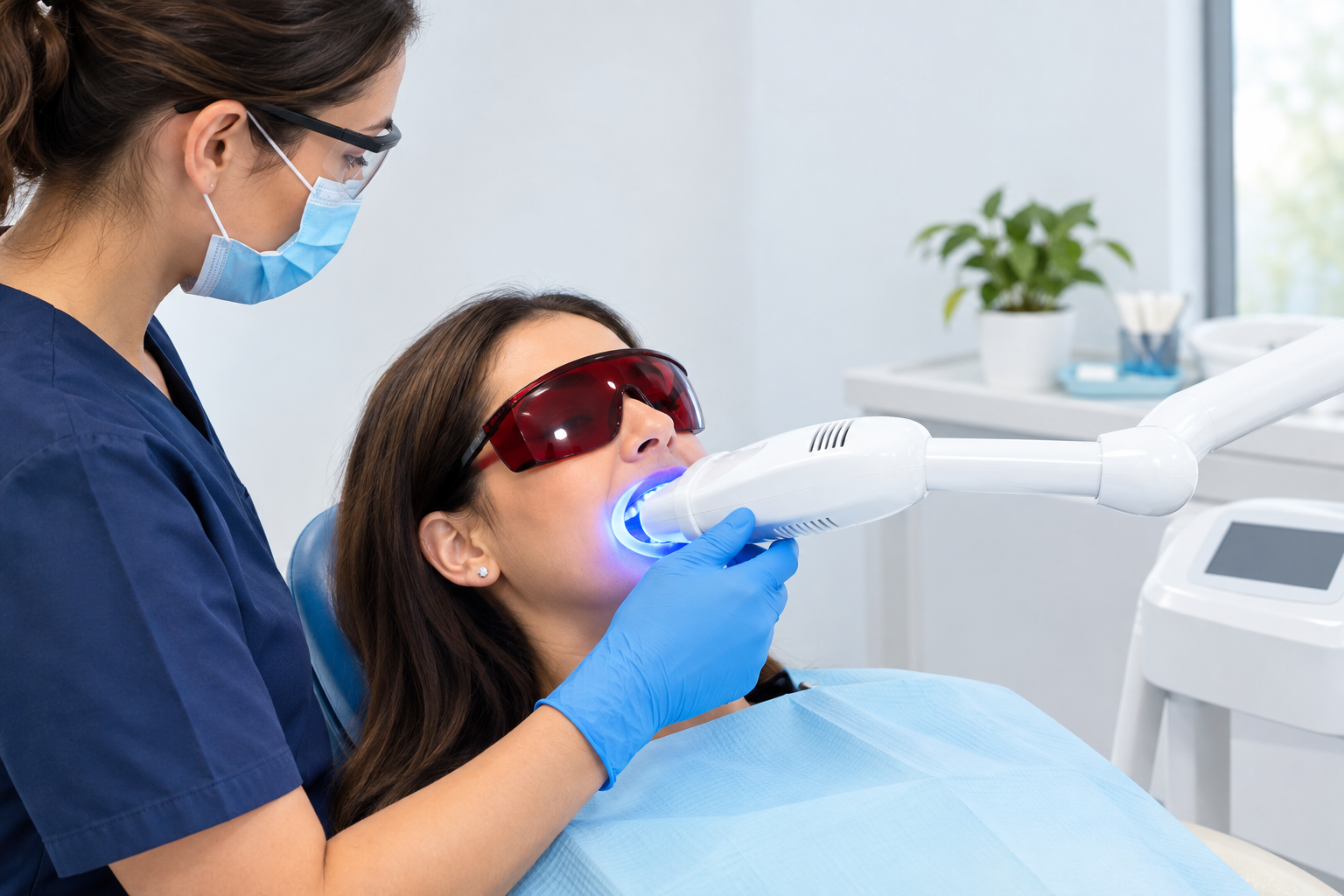
- Whitening of teeth: Removes the food, drink and age-related stains, providing an instant boost in confidence.
- Porcelain veneers: Thin shells of ceramic that are stuck on the front of teeth to cover up chips, discolouration, tiny gaps and slight misalignment.
- Composite bonding: Tooth coloured resin carved on the tooth surface to restore small chips, worn edges or narrow spaces in a reconstructive procedure.
- Crowns: Complete cover restorations which support highly filled or broken teeth besides creating form and colouring.
- Clear aligners: These are clear trays that slowly align your teeth to a more desirable position without braces attached.
- Gum contouring: This is a procedure that involves recontouring uneven gums and exposing more teeth.
Each option has strengths and limits so experienced dentists often combine several to address colour, shape and alignment together.
Who is a Good Candidate for Cosmetic Treatment?
Strong foundations support the best cosmetic results. Suitable candidates commonly present:
- No active tooth decay or untreated gum disease.
- A reasonably stable bite without major jaw joint problems.
- Consistent daily brushing and interdental cleaning habits.
- Clear, realistic goals for how they hope to change their smile.
Lifestyle choices influence both suitability and longevity. Regular smoking, teeth grinding, frequent sugary or acidic drinks and inconsistent home care can shorten the lifespan of whitening, bonding or veneers.
Safety First: Essential Guidelines Before Any Cosmetic Dental Procedure
Start with a Comprehensive Oral Health Assessment
Responsible cosmetic care starts with a full oral health assessment rather than jumping straight to treatment. Dentists look for decay, gum inflammation, cracks, worn enamel and bite problems that could undermine cosmetic work if left unaddressed.
Detailed records provide a foundation for accurate planning. These records may include:
- Digital X rays to review roots, bone and existing restorations.
- Clinical photographs from several angles.
- Digital scans or impressions that create precise models of your bite.
In complex cases, 3D imaging to understand jaw and tooth relationships.
High quality information at the outset allows veneers, aligners or crowns to be designed around your actual teeth, bite and facial features.
Choosing the Right Cosmetic Dentist
Selecting the right cosmetic dentist can strongly influence both comfort and outcome. Helpful points to review include:
- Postgraduate training and ongoing education in cosmetic and restorative dentistry.
- A portfolio of cases similar to yours, with natural looking results.
- Patient reviews that mention clear explanations, kindness and follow up care.
- Straightforward discussion of fees, stages of treatment and alternatives.
Questions about materials, digital scanners, 3D planning tools and infection control protocols are entirely appropriate, particularly for larger cosmetic cases.
Informed Consent, Risks and Realistic Outcomes
Every dental procedure involves some degree of risk, including apparently simple whitening. A thorough consent conversation should cover likely benefits, possible side effects, expected lifespan of results and how often repair or replacement might be needed.
Patients gain from talking openly about their ideal outcome, previous dental experiences and concerns such as sensitivity or anxiety. After this discussion, you should know the treatment steps, how to care for your mouth and which changes would mean you need to contact the practice.
Best Practices During and After Cosmetic Procedures for Long Lasting Results
Evidence Based Techniques and High Quality Materials
Recent advances in materials and digital planning have reshaped cosmetic dentistry. Many contemporary porcelain veneers are thinner than older versions and may allow more conservative tooth preparation. Digital smile design and computer guided preparation help dentists visualise final results and refine details before any enamel is shaped.
Benefits of modern techniques and materials include:
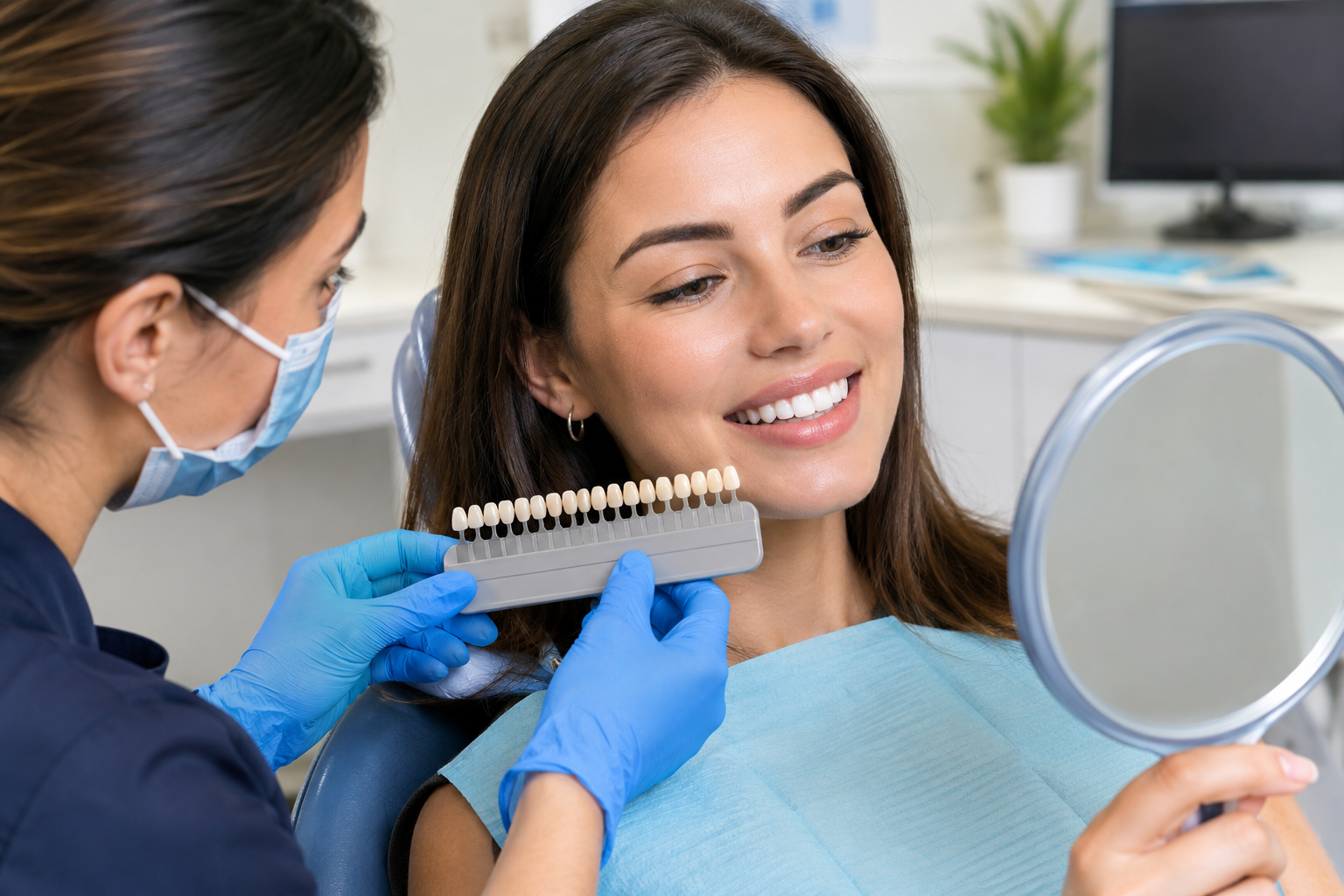
- More natural translucency and shade matching.
- Better fit for everyday biting and chewing.
- Greater ability to adjust plans before treatment begins.
High-quality ceramics and modern composite resins provide a natural appearance while supporting function which is particularly valuable in safe cosmetic dentistry procedures for everyday patients.
Day-to-Day Care for Your New Smile
Daily care habits have a major impact on how long your new smile lasts. Useful steps include:
- Brushing twice a day with a soft brush and fluoride toothpaste, plus cleaning between teeth.
- Choosing less abrasive products if you have veneers, bonding or crowns.
- Avoiding habits such as opening packets with your teeth or chewing hard objects like ice.
Reducing frequent dark or acidic drinks such as cola, sports drinks, coffee and red wine to limit staining and erosion.
Conclusion: Take the Next Safe Step Towards a Confident Smile with Delatite Dental
Cosmetic dentistry has the potential of transforming smiles of individuals as long as the therapies would not interfere with oral health, biology and personal goals. Having an experienced cosmetic dentist, adhering to the above safety measures and adopting daily care measures usually enjoy results that look natural and last longer.
The evidence based principles implemented in Delatite Dental in Mansfield through the application of modern technology and a patient centred approach are used to design cosmetic treatment that fits every individual.
Those who are thinking of teeth whitening, veneers, clear aligners or a wider smile in general can book an appointment with Delatite Dental today!

Dr Kevin Ho, Dr Angela Nguyen & The Delatite Dental Team
Our commitment to your dental health and overall wellbeing is the heart of our practice