
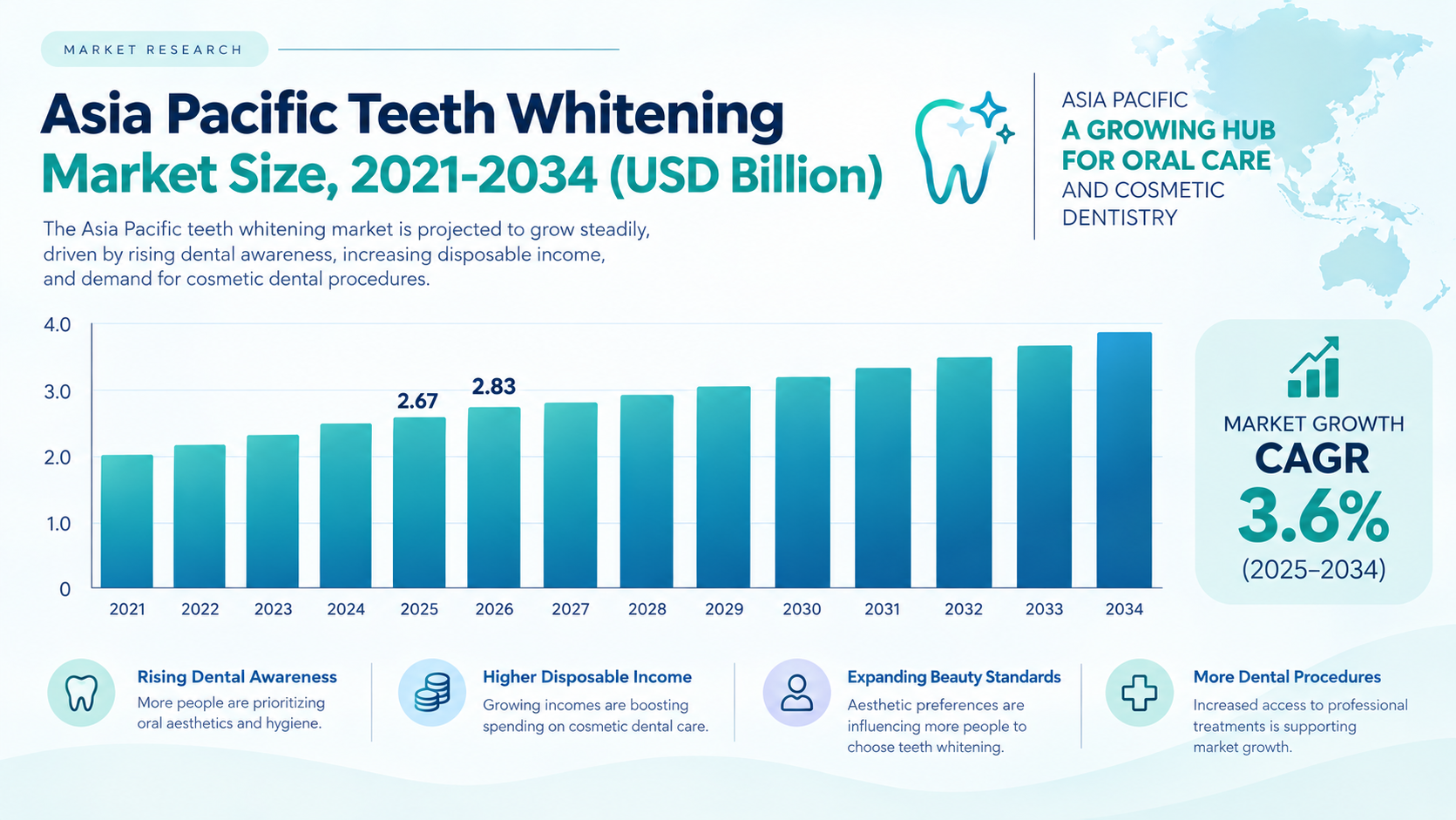
Even with perfect brushing, teeth naturally darken with age. Professional teeth whitening can turn back the clock for a while, but it can’t stop those gradual changes. Regardless, people are very interested in teeth whitening, making it the most requested cosmetic dental procedure worldwide. According to Fortune Business Insight, the global teeth whitening market size is USD 9.37 billion, and Asia Pacific is leading the chart with 30.22% market share. 22% of Australian adults have been reported to have whitened their teeth, and only 1 in 3 of them did it under the supervision of a dentist. The rest either trusted advertised products and kits and tried doing it at home.
When peroxide based whitening is used with proper procedures, it is generally considered safe for enamel. High concentrations and poor technique can have negative effects on the tooth surface, which is why professional supervision should be preferred. Studies suggest that most whitening procedure results stay persistent for roughly 1 to 2.5 years, even with the premium methods. So aftercare is one of the most important steps, and experts can help with that. Moreover, we only tell our patients to expect realistic results, because many people expect whitening to fix every type of stain. Clinical reviews show that it works best on general yellowing and is less effective on white spots, dark banding and existing fillings.
In Mansfield, Mount Buller, Benalla, Euroa and nearby towns, people considering professional teeth whitening can reach out to Delatite Dental for the procedure.
| Book a Consultation |
What Professional Teeth Whitening Can & Cannot Change?
Professional whitening works by bleaching natural tooth structure with peroxide based gels. It helps with many common types of discolouration, and it also has clear limits.
Whitening Works Best For:
- General yellowing or browning of natural teeth
- Staining from coffee, tea, red wine, and smoking (to a degree)
- Mild to moderate darkening that comes with age
It Does Not Fix:
- White spots or fluorosis patches
- Dark grey or banded tetracycline-type staining
- Crowns, veneers, fillings, or bonding because those materials do not change colour with bleaching
- A single dark tooth caused by old trauma or root canal treatment, which may need internal bleaching or other restorative options instead.
In-Chair Whitening vs Take-Home Trays vs Over-The-Counter Kits
So patients usually choose from three main options
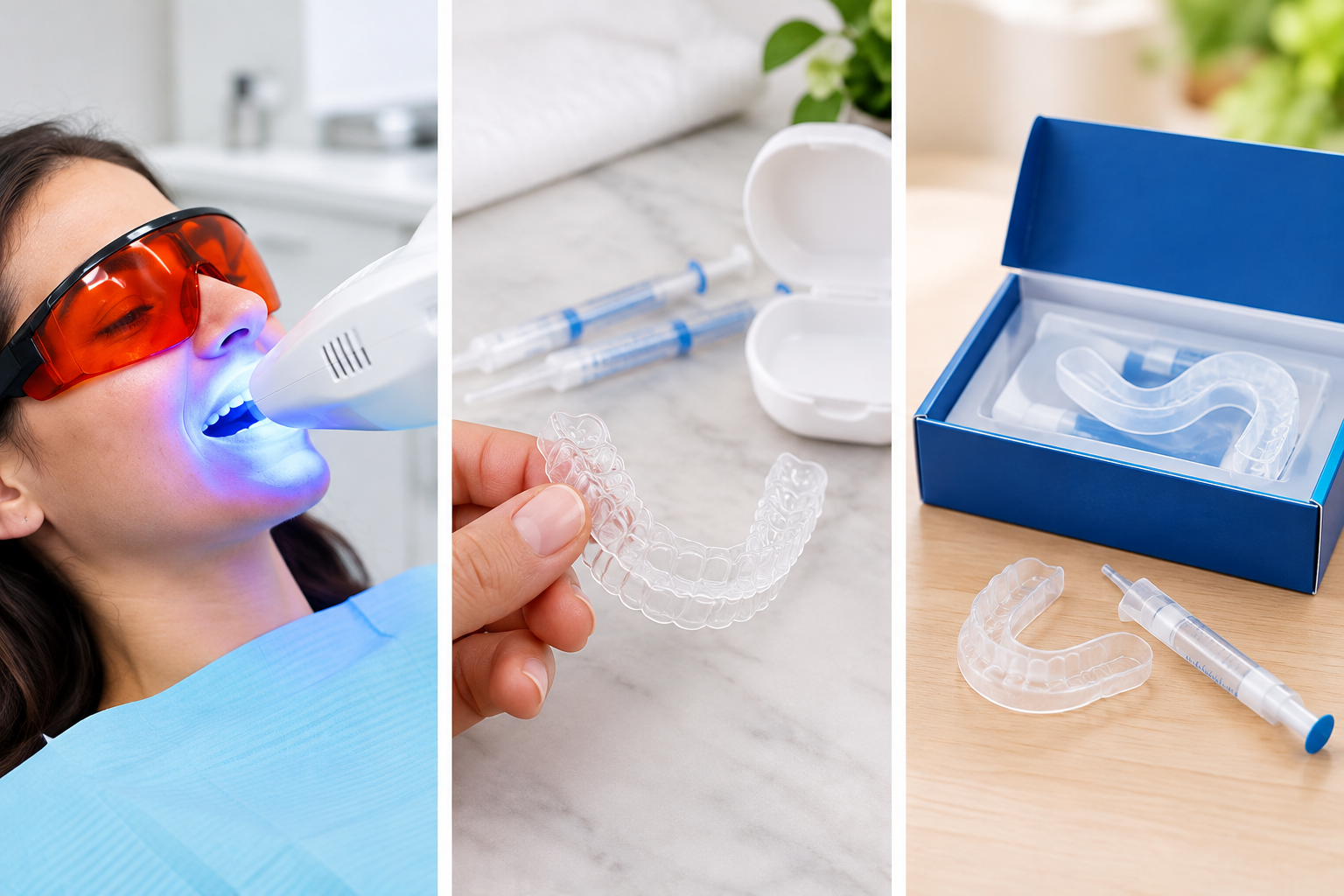
1. In-Chair Professional Whitening
Higher concentration peroxide gel is applied by the dentist. Treatment usually involves one or two sessions of about 45 to 60 minutes each. The colour change tends to show more quickly, so this option is often chosen for events or when there is limited time. Research suggests moderate hydrogen peroxide concentrations around 25-35% can achieve similar whitening to much higher concentrations with less sensitivity.
2. Dentist-Supervised Take-Home Trays
Custom trays are made from impressions or scans of the teeth. The gel is used at a lower concentration and is often carbamide peroxide. The trays are worn daily or nightly for about one to three weeks. The colour change is more gradual, and this method is often used for maintenance after in-chair whitening. Some evidence suggests that at-home carbamide peroxide may give longer-lasting whitening with fewer relapses than in-office whitening alone.
3. Over-the-Counter Kits
These kits use lower concentrations and trays that are not made for an individual mouth. They can help with staining, but:
There is less control over where the gel sits on teeth. There is a higher risk of gum irritation if the trays do not fit well. Results tend to be more variable from person to person.
For patients in Mansfield and regional towns who prefer fewer visits, a combined approach is suitable. You can start with in-chair sessions and then one take-home top-up tray.
Sensitivity Concerns
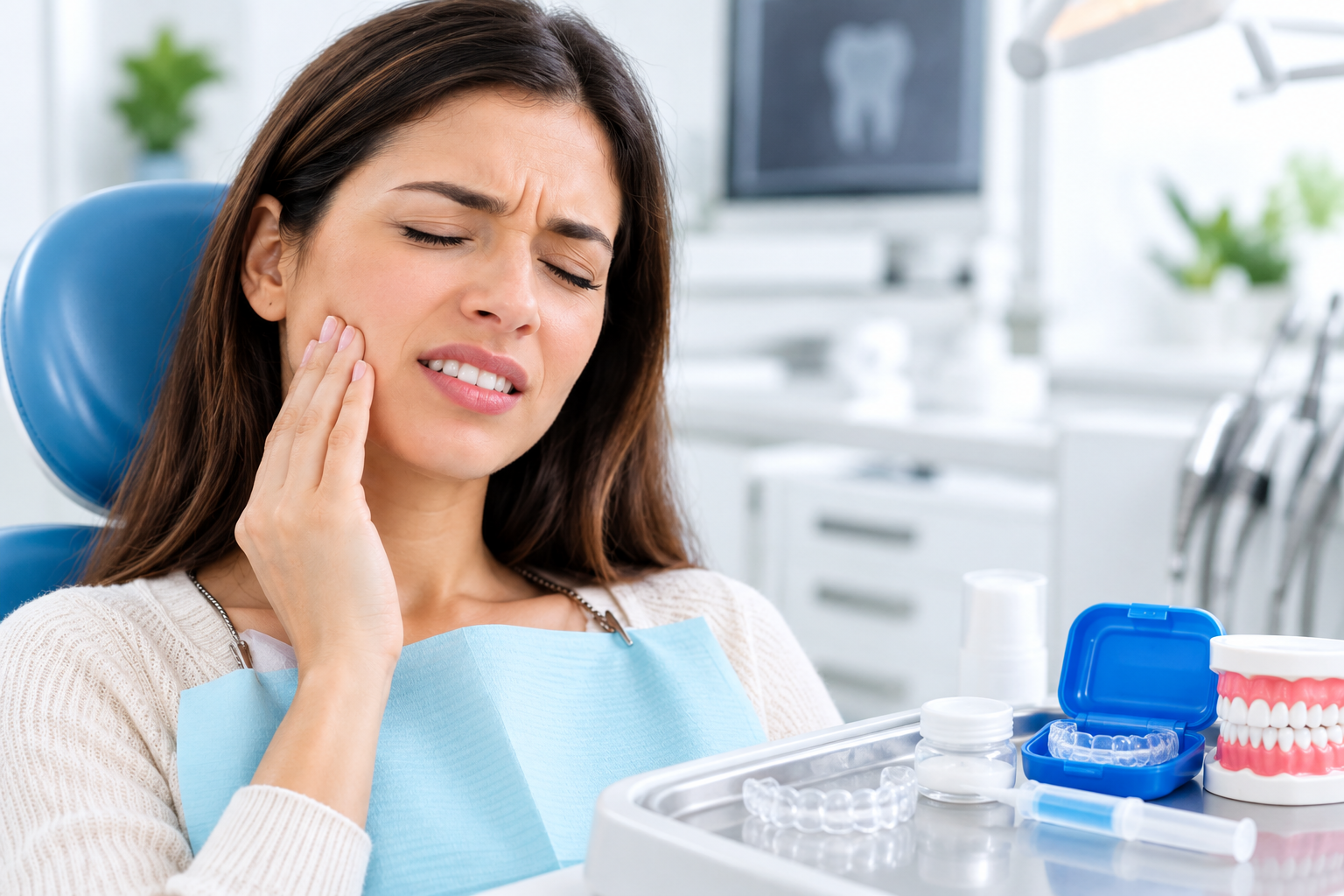
Tooth sensitivity is the most common side effect of bleaching, alongside mild gum irritation. In most cases, it is temporary, occurring during treatment and a few days afterwards.
What helps reduce sensitivity:
Using moderate peroxide concentrations rather than the highest available.
Shorter sessions or split over multiple visits. Take‑home trays at lower concentration for sensitive patients. Desensitising agents such as potassium nitrate or sodium fluoride before/after. Avoid very cold/hot foods and acidic drinks for 24- 48 hours post-sessions.
Sensitivity is common. If you’re extremely sensitive, or have very high or lasting sensitivity, it’s not “normal” and worth discussing with your dentist.
How Long Does Professional Whitening Last?
A large number of patients would think that whitening lasts several years and only needs to be done once. The facts indicate a more realistic scenario.
The vast majority of studies indicate that colour has a relatively persistent stability of approximately 1-2.5 years following the bleaching, irrespective of agent and method.
The more intense the discolouration, the more rapid the tendency towards relapse.
Some protocols may achieve slightly better long-term stability using at-home carbamide peroxide.
What influences longevity:
Alterations in diet (coffee, tea, red wine, curries, berries, dark sauces).
Smoking or vaping.
Routine cleaning and proper maintenance of gums.
Whether or not periodic top-up whitening is done.
The reality is that, for heavy coffee or wine drinkers, a one-off treatment will not last as long as one might hope, and so planning for occasional top-up treatments as the need arises every 6–12 months is more realistic.
Unexpected Scenarios
In the case of special situations, one dark tooth, old trauma, or root-filled teeth, referral is required for diagnosis of an endodontic problem.
There are different types of discolouration.
Involving one dark tooth following trauma.Trauma-induced single dark tooth.
May require internal (non‑vital) whitening instead of regular whitening.
The studies reveal that bleaching may cause whitening of the shade-changed teeth following some types of endodontic procedures.
Root‑filled Teeth
The tooth may need to be colour corrected with internal whitening of the tooth or an internal veneer/crown; although external whitening will enhance the smile, the overall tooth colour may not be optimal.
Fluorosis or White spots
After whitening treatment, whitening may sometimes be more visible in the beginning. The possibility of using microabrasion or resin infiltration as adjuncts should be considered.
As with all dental work, a proper examination is necessary prior to promising results, particularly if only one or two teeth are involved.
Contact Deltoid Dental for Professional Teeth Whitening Procedures
If you are thinking about professional teeth whitening in Mansfield or nearby towns, a consultation at Deltoid Dental can help clarify what can be best for your situation. The type of staining you have and your lifestyle are interconnected. Bring any previous teeth whitening reports, if there are any,y to get an idea of what worked and what did not. We’ll plan your treatment based on your sensitivity level and budget.
Book an online appointment now!
Frequently Asked Questions (FAQs)
Q.1. Will whitening work on my crowns, veneers or fillings?
No. Whitening only affects natural tooth structure. Existing restorations may need to be replaced to match the new shade.
Q.2. How sensitive will my teeth be?
Some teeth can be sensitive to whitening, but this is usually short-lived and easily avoided using lower-strength peroxide gels and desensitising agents.
Q. 3. How long will the results last?
The results of whitening generally last for around 1-2.5 years, depending on your diet and lifestyle, and whether you choose to have periodic ‘top-up’ whitening treatments.
Q.4. Is it safe to have whitening done if I am pregnant or breastfeeding?
As a precaution, we do not usually carry out any dental treatment during pregnancy or breastfeeding, so whitening would be postponed until after pregnancy is over.
Q.5. What if I have one tooth that is darker than the rest?
If you have one tooth that is noticeably darker than the others, you may need internal bleaching or another form of treatment, rather than standard whitening. This can only be determined following an examination.