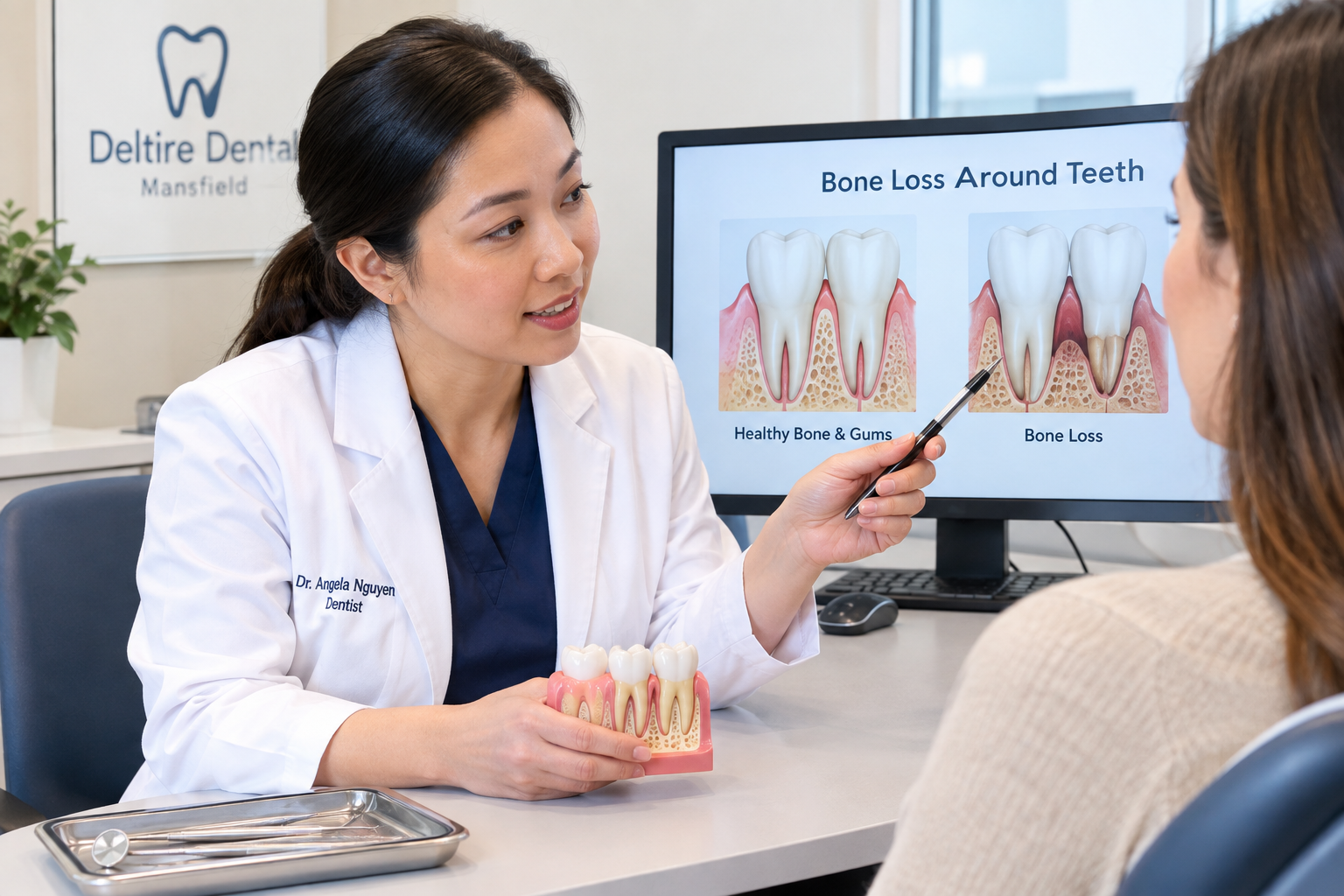

Over the years, root canal therapy has developed a really negative image that makes people feel anxious or scared whenever they hear about it. This bad reputation has grown to the point that sometimes even mentioning RCT makes people react in a way like they just got a text from their ex.
“RCT is awful.”
“I’d rather just pull my tooth.”
“You’ll be stuck there for hours”….blah blah..
But if we’re being honest, the treatment itself is not nearly as frightening as its public image. But the fear of it has become so deeply rooted in common conversations about dental care. But don’t worry, we are here to change that perception. The actual purpose of root canal treatment is to carefully remove harmful infection from inside a tooth. The goal is to reduce or eliminate the associated pain and preserve your natural tooth. Trust us, we don’t wake up every morning thinking, yay, let’s cause some chaos today. We hate the hurting part as much as you do.
So if you need root canal treatment and you want to make sense of the whole thing before booking an appointment, this guide is for you. We’ll walk you through what the treatment does, how it works, and why it’s done.
What Is Root Canal Therapy?
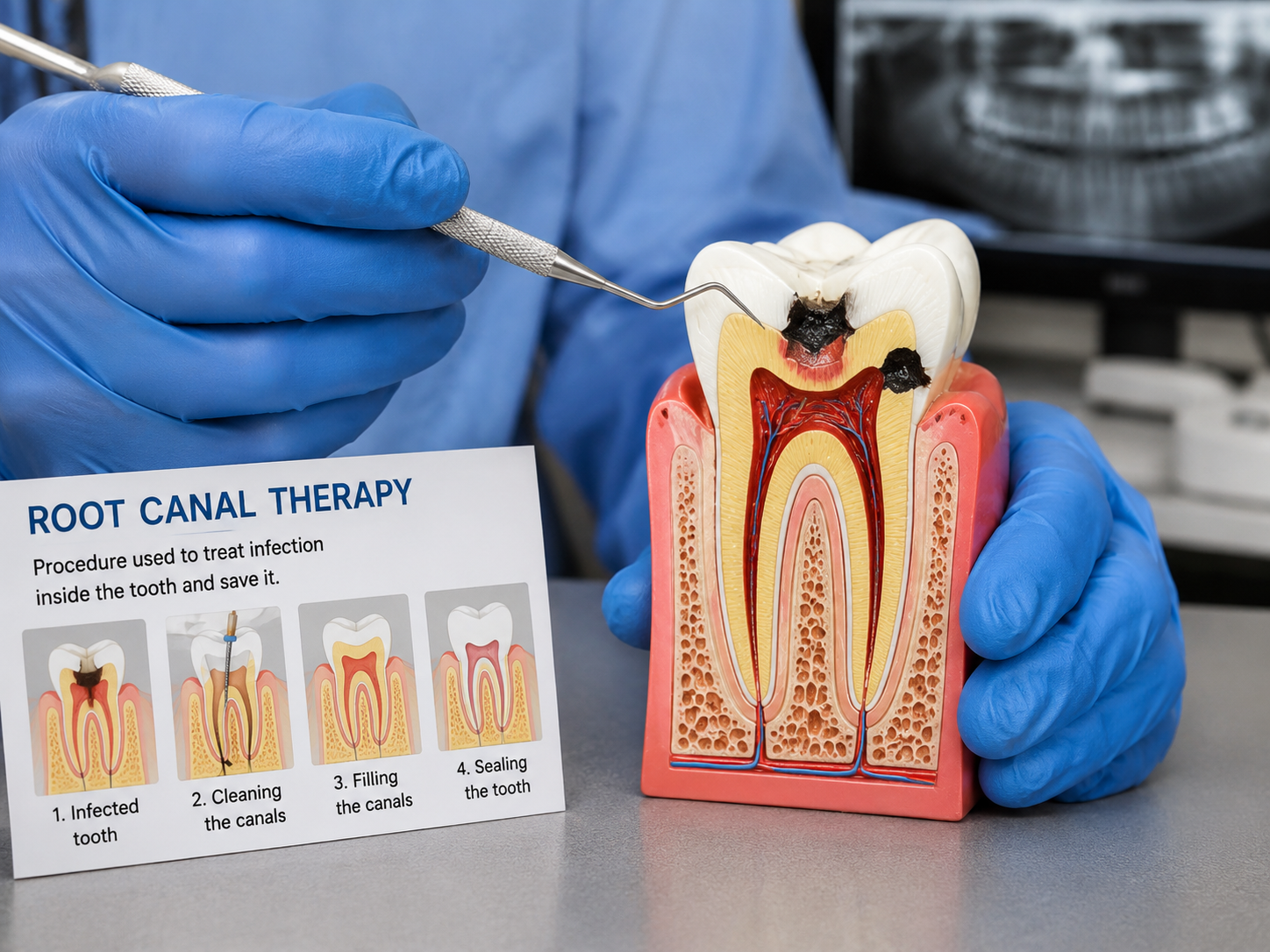
First, you need to know more about a tooth. It’s not just the hard shell that is visible to you from outside. Inside each tooth is soft tissue called the pulp that includes important blood vessels, nerves, and supportive connective tissue keeping the tooth alive and sensitive. When pulp becomes infected or badly inflamed, root canal therapy carefully removes the damaged soft tissue from within the root structure. After removal, the dentist thoroughly cleans and disinfects the narrow channels inside the roots.
Once harmful bacteria manage to travel deep into the soft pulp tissue inside a tooth, they can cause inflammation, infection, and pain. Without proper treatment, this ongoing infection risks spreading to harm both the tooth itself and the surrounding bone and gums. Root canal treatment solves the problem by completely removing the infected pulp material and then creating a strong seal that blocks future bacteria from easily entering the cleaned spaces.
A simple way to think about it:
| Part of the Tooth | What It Does |
| Enamel | Hard outer layer |
| Dentine | Support layer beneath enamel |
| Pulp | Soft inner tissue with nerves and blood vessels |
| Root canals | Small channels inside the roots that contain the pulp |
Why Would a Tooth Need Root Canal Therapy?
Dentists generally suggest root canal therapy when the soft inner pulp of the tooth shows signs of serious inflammation or active infection that can’t be resolved through similar methods. It happens when bacteria reach the living tissue inside the tooth, creating conditions that a regular filling or other basic treatment cannot fully address. That can happen for a few different reasons.
Deep Tooth Decay
When a cavity is ignored for too long, the decay gradually eats through the hard outer enamel layer and the softer dentin beneath it until the infection finally reaches the sensitive pulp tissue deep inside the tooth. At that advanced stage, bacteria have penetrated too far for a standard filling to solve the issue completely.
Cracks or Fractures
A visible or even microscopic crack in a tooth can create a pathway that allows bacteria from the mouth to sneak into the protected inner pulp area where they do not belong. Even cracks that appear minor or barely noticeable on the outer surface can be large enough internally to let infection develop and irritate the nerves and blood vessels.
Repeated Dental Work
Teeth that have undergone multiple dental treatments throughout the years can gradually become more sensitive and prone to problems because each procedure causes a small amount of additional stress to the inner pulp. Over time, this repeated irritation. Especially on a tooth that is already older or structurally weaker, this repeated irritation can cause the pulp tissue to become inflamed or infected.
Dental Trauma
A heavy impact to the mouth from an accident, sports injury, or hard fall can injure the delicate pulp tissue inside a tooth without necessarily causing obvious external damage that you can see immediately. Even when the tooth looks mostly normal from the outside after the incident, the internal blood vessels and nerves may still be affected in ways that lead to later inflammation or death of the pulp.
Abscess or Infection
When bacteria travel far enough into the tooth structure, they can create a collection of pus known as an abscess at the root tip or surrounding areas, leading to noticeable swelling, uncomfortable pressure, and throbbing pain. This infection usually produces an unpleasant taste in the mouth that simple remedies like chewing gum cannot effectively mask or eliminate.
Common Signs a Tooth May Need Root Canal Therapy
Symptoms change, but typically signs include:
- Ongoing sensitivity to heat and/or cold
- Toothache when biting or chewing food
- Spontaneous tooth pain
- Gums swelling
- A small bump or pimple forms in the gum area
- Staining of the tooth, or discolouration
- A very unpleasant flavor in the mouth
- Edema and tenderness around the tooth
Not all painful teeth require a root canal, and not all teeth that require a root canal are screaming about it. This is why dentists conduct an exam, use X-rays, and sensitivity tests before treatment.
How Dentists Decide If a Tooth Can Be Saved
Although root canal therapy is one way to save a tooth, it’s not the solution for all teeth. There are several factors that dentists consider when deciding on treatment.
We check:
- The extent of decay/Infection.
- The vital health of the tooth (evaluated tooth health/structure)
- Whether the roots are cracked or fractured
- Conditions of the gums and bone around the tooth
- Whether the tooth can be restored well after treatment
Fun fact
Endodontists are dentists who have had additional training in treating the inside of the teeth, particularly those with problems in the tooth root. Less than 3% of dentists have that extra endodontic training.
What Happens During Root Canal Therapy?
Step One: Examination and X-rays
The first step is typically a dental examination. Your dentist examines the tooth, asks about your symptoms, and provides X-ray imaging of what is going on underneath the tooth. X-rays help to reveal any cavities close to the root, bone loss, and infection that are not visible by looking.
This is why root canal treatments are no random process. Smaller issues can appear on the outside, while much larger issues are on the inside of a tooth.
When the tooth is likely to be salvaged, the next step in treatment takes place.
Step Two: Numbing the Area
Local anaesthetic is used during root canal therapy so that the tooth and the area around it won’t feel pain during treatment. Medication also may be administered to help a patient relax if he or she is nervous.
Many rumours circulate about root canals that are terrifying and unwarranted, but normally, root canal treatment is meant to get rid of the cause of pain.
Step Three: Isolating the Tooth
A dental dam or similar barrier is placed around the tooth before cleaning. This will maintain cleanliness and dryness of the area and prevent any saliva or bacteria from entering the tooth during treatment. It is called putting in a cotton or “dental dam” during the process.
It also helps to make the entire procedure more managed, which is a sort of boring-but-important thing that allows oral health treatments to work properly.
Step Four: Opening the Tooth
The dentist drills a small hole in the crown of the tooth, opening up the pulp chamber and root canals. This can provide an avenue for removal of infected tissue and internal cleaning of canals.
That is where many individuals start to picture something more spectacular than is transpiring. It is a well-planned procedure that clears away the infected area of the tooth.
Step Five: Removing the Infected Pulp
Then the infected or inflamed pulp is abraded using a micro-dental tool and extirpated. The remaining inner surface of the tooth is then cleaned and disinfected to eliminate bacteria to the greatest degree possible.
This is the element that prevents the tooth from becoming a larger infection issue. The objective is to get rid of the painful infected tissue and seal the tooth to prevent the bacteria from having an easy time back in.
Step Six: Cleaning and Shaping the Canals
Once the infected tissue has been removed, the canals undergo cleaning, removal, and disinfection. The shaping step is important because the canals must be ready to be shaped properly after they’re filled and sealed.
That is one of the reasons why root canal therapy isn’t a quick rinse-and -go, depending on how complex! The interior of the tooth is skillfully constructed with small openings, curved and not so easy to reach. It is a bit like trying to clean the inside of a bent straw, except the straw is inside your mouth and very opinionated.
Step Seven: Filling and Sealing the Root Canals
Once the canals have been cleaned and shaped, they can’t simply be left empty.
The dentist seals the canals with a rubber-like material called gutta-percha. The material is used specifically in root canal treatment, as it fits very snugly in order to seal the canals against bacteria. The dental sealer is also used to seal very small spaces that the gutta-percha is not able to fill.
Imagine a hole in the roof and need to fix it. You wouldn’t patch one area and leave vulnerable weather to get on the other side. This should all be tightly sealed, or else water will just find an alternate route in.
That is also the case with this one. The objective isn’t just removing the infection. It’s limiting the opening up of bacteria.
Step Eight: Restoring the Tooth
After the canals have been sealed, the opening made to access the inside of the tooth also needs to be restored. We might advise any of the following:
- a permanent filling
- an inlay or onlay
- a dental crown
Save Your Natural Tooth with Delatite Dental in Mansfield
At Delatite Dental, the team takes time to thoroughly evaluate each tooth before suggesting any specific treatment plan to make sure the chosen approach truly fits the patient’s needs. Our team will examine not only the tooth itself but also surrounding bone, gums, and existing restorations. It’s done to determine whether root canal treatment is the right option for you or whether any other treatment would provide a better long-term outcome.
So if you are dealing with any ongoing tooth pain, sensitivity, swelling, or more, booking an examination is the first place to start. The earlier you get your teeth checked, the more options are usually available for saving your natural tooth. So book your appointment now!
Frequently Asked Questions (FAQs)
Q.1. May I eat after root canal treatment?
Certainly, although it’s generally better to wait till the numbness goes away. Nobody wishes to have a bitten cheek from their dentist visit as a souvenir.
Q.2. When do I need a dental crown?
If you’ve lost a lot of tooth tissue due to infection, a crown will be helpful. This happens quite often for molars, which endure bigger loads.
Q.3. Does a root canal ever fail?
While the success rate of root canal therapy is pretty high, there are cases when bacteria get back into the tooth, or new decay appears.
Q.4. Will my root canal therapy take one visit?
Sometimes a tooth may be treated in one sitting; sometimes several visits are required.
Q.5. Is it more economical to extract a tooth?
It may be cheaper at first; however, in the future you’ll spend more money on the replacement of your tooth by a bridge, an implant, or dentures.