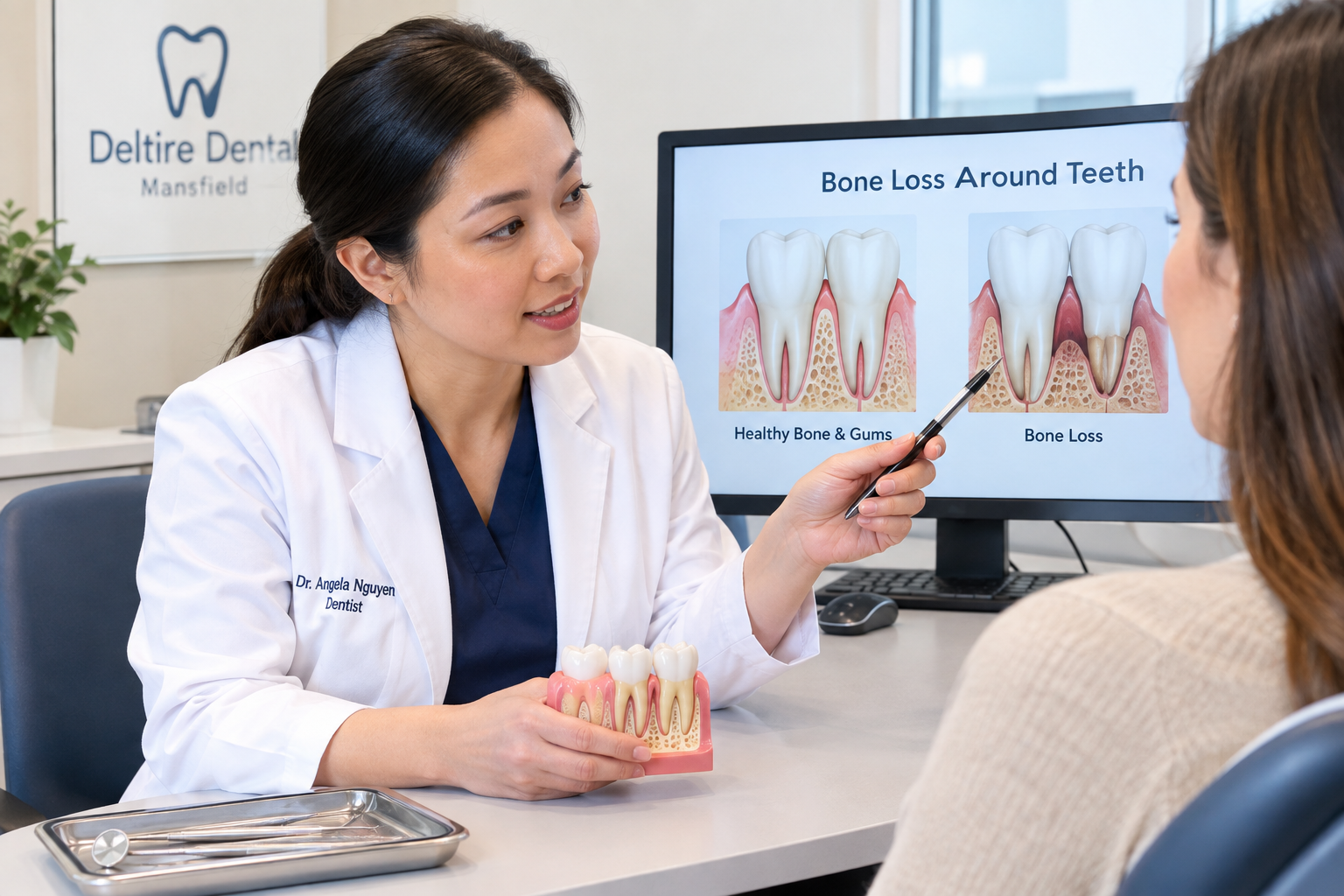

Did you know nearly 70 percent of adults experience gum problems at some point due to improper flossing habits? This highlights the importance of using the right technique. In this detailed blog post, explore three easy flossing techniques to improve your routine and maintain better oral health with consistent care.
As the saying goes, “Prevention is better than cure, and good habits today lead to healthier smiles tomorrow.”
Introduction
Flossing is one of the most overlooked yet essential steps in oral hygiene. This method is capable of preventing plaque buildup and gum disease that brushing alone can’t tackle. Still, only a small percentage of people consistently floss daily, even though dental professionals strongly recommend it as a vital part of a complete oral care routine.
Levi Spear Parmly, the pioneering New Orleans dentist who invented the first dental floss in 1815, encouraged Americans to floss daily to eliminate excess debris between their teeth and along the gumline.
Fast forward to 2026, more than two centuries later, his advice still holds true. However, many people still do not take flossing seriously or make it a consistent part of their oral hygiene routine. According to the National Center of Biotechnology Information, only 30.7% of Americans floss daily, while another 32% say they never do, and the remaining 37.2% floss once a week. Their comprehensive study also reports that the prevalence of flossing is highest among women, with 59% of females reporting that they floss regularly.
Now, after analyzing this data, our experts at Delatite Dental explored an important question: “Why do many people still avoid flossing daily? Where does the problem really come from?”
After consulting with several patients, we identified some of the most common reasons behind this habit gap.
- Many individuals shared that they find flossing inconvenient or time-consuming, especially when they are in a hurry.
- Some patients also mentioned that they simply forget to floss as part of their daily routine.
- Few feel that brushing alone is sufficient for maintaining oral hygiene.
- While most of the patients admitted that they are unsure about the correct technique.
After carefully reviewing all these responses, one clear pattern emerged. Most patients unanimously agreed that the primary reason they do not floss regularly is a lack of proper knowledge about flossing and its correct use. Understanding flossing techniques is essential because it helps you remove plaque safely and effectively, without making the process uncomfortable in your daily oral care routine. This is why Delatite Dental has come forward to write a detailed blog post related to easy flossing techniques. Read this guide to clear all your confusion and step forward to incorporate flossing as an integral part of your daily oral routine.
Why Should You Floss Daily? How Beneficial Is It?
Before we discuss the easy flossing techniques, let’s first understand exactly how beneficial flossing is for us.
(While we briefly covered some benefits in the introduction, they were not explained in detail. Since we aim to clear your doubts here, it is important to help you understand its benefits in a more detailed and clear way.)
1. Removes Plaques From Hard-to-Reach Areas
Dr. Jennifer Webster-Cyriaque, Deputy Director at the National Institute of Dental Craniofacial Research, explains it succinctly: “Flossing cleans between the teeth where brushing can’t reach and disrupts the formation of dental plaque before it calcifies.”
2. Fights Bad Breath
According to the American Dental Association, at least 50% of adults have had halitosis (bad breath) in their lifetime. One of the primary reasons behind bad breath is the presence of trapped food particles and bacteria between the teeth. By incorporating flossing in your routine, you can remove the stuck food debris and keep your breath fresh.
3. Prevents Gum Disease
Regular flossing plays a key role in preventing gum inflammation and bleeding by removing plaque before it hardens. If you consistently floss daily, you can significantly lower the risk of conditions like gingivitis and periodontitis, helping maintain healthier gums and long-term oral hygiene.
4. Saves Money on Dental Treatments
Flossing is like a tiny daily investment that saves you from massive dental bills later. Skip it, and your wallet might feel the pain before your teeth do. A few minutes with floss today can help you avoid expensive treatments tomorrow, because prevention is always cheaper than a cure.
Three Easy Flossing Techniques You Need to Know

Many people avoid flossing because they find it difficult, uncomfortable, or time-consuming. However, when done correctly, flossing becomes simple, quick, and highly-effective at removing trapped plaque. Below are three easy methods explained in a detailed and practical way to help you floss with confidence.
1. The Traditional String Floss Technique
The traditional method is often considered the gold standard among all flossing techniques because of the level of control and precision it offers. Here’s an interesting fact: “This is the same technique that was suggested by Levi Spear Parmly in the 1800s” (revisit the introduction section to get a reference). By the late 1800s, silk floss became commercially available, and in the 20th century, it was replaced by nylon, making it stronger and more accessible worldwide. That’s a reason this method remains the foundation of modern flossing techniques.
How to do it?
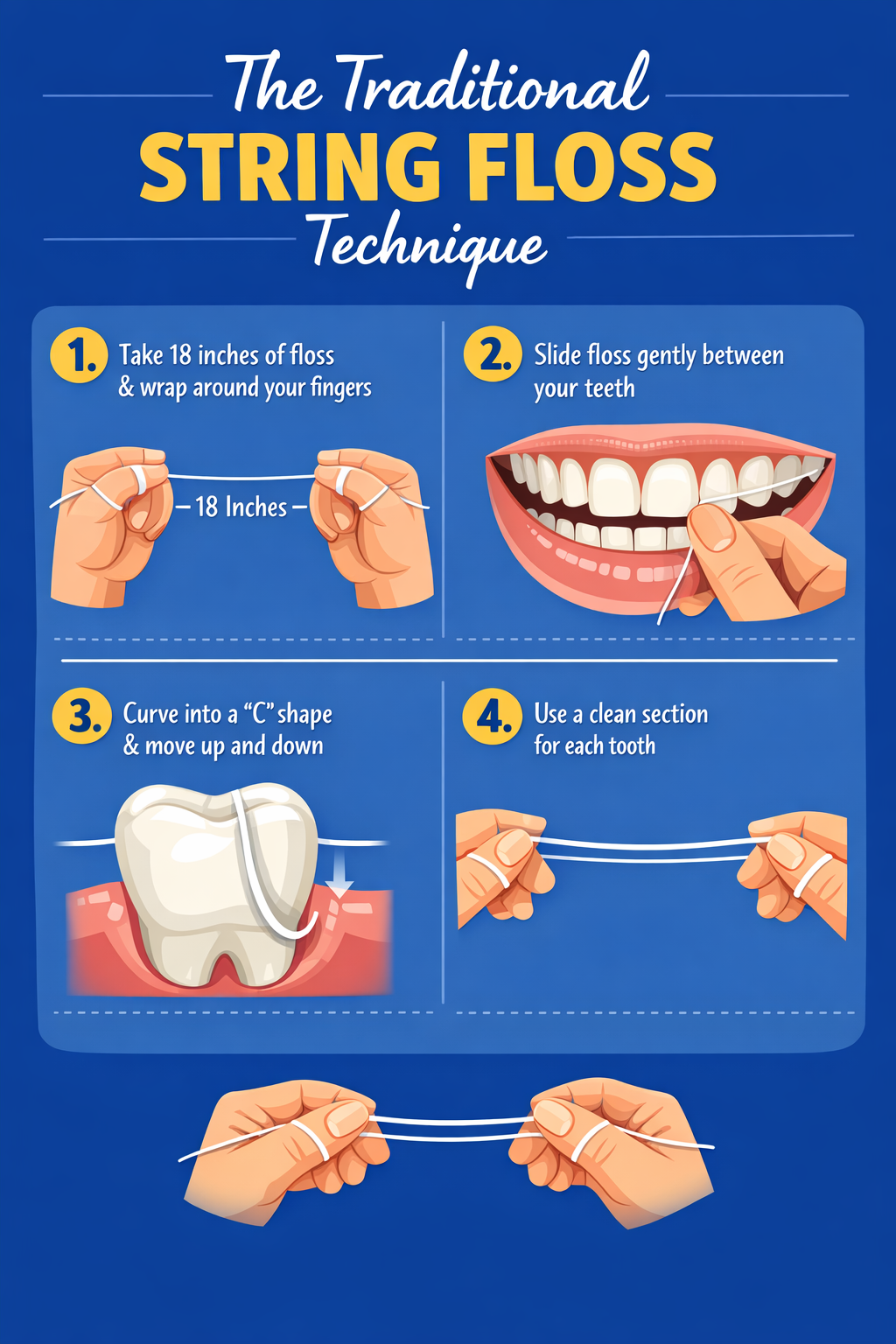
Step #1: Start by taking about 18 inches of dental floss and wrapping most of it around your middle fingers, leaving a small section to work with.
Step #2: Hold the floss tightly between your thumbs and index fingers, then gently slide it between your teeth using a back-and-forth motion.
Step #3: Once it reaches the gumline, curve the floss into a C shape against one tooth and move it up and down to remove plaque.
Step #4: Repeat this for each tooth, using a clean section of floss every time.
Why does it work?
This method is widely recognized for its unmatched precise control. It cleans both sides of each tooth effectively. Among all flossing techniques, this one provides the most thorough cleaning when done correctly.
Best For:
If you want complete control and a deep clean between tightly spaced teeth, go for this technique.
2. The Floss Pick Technique
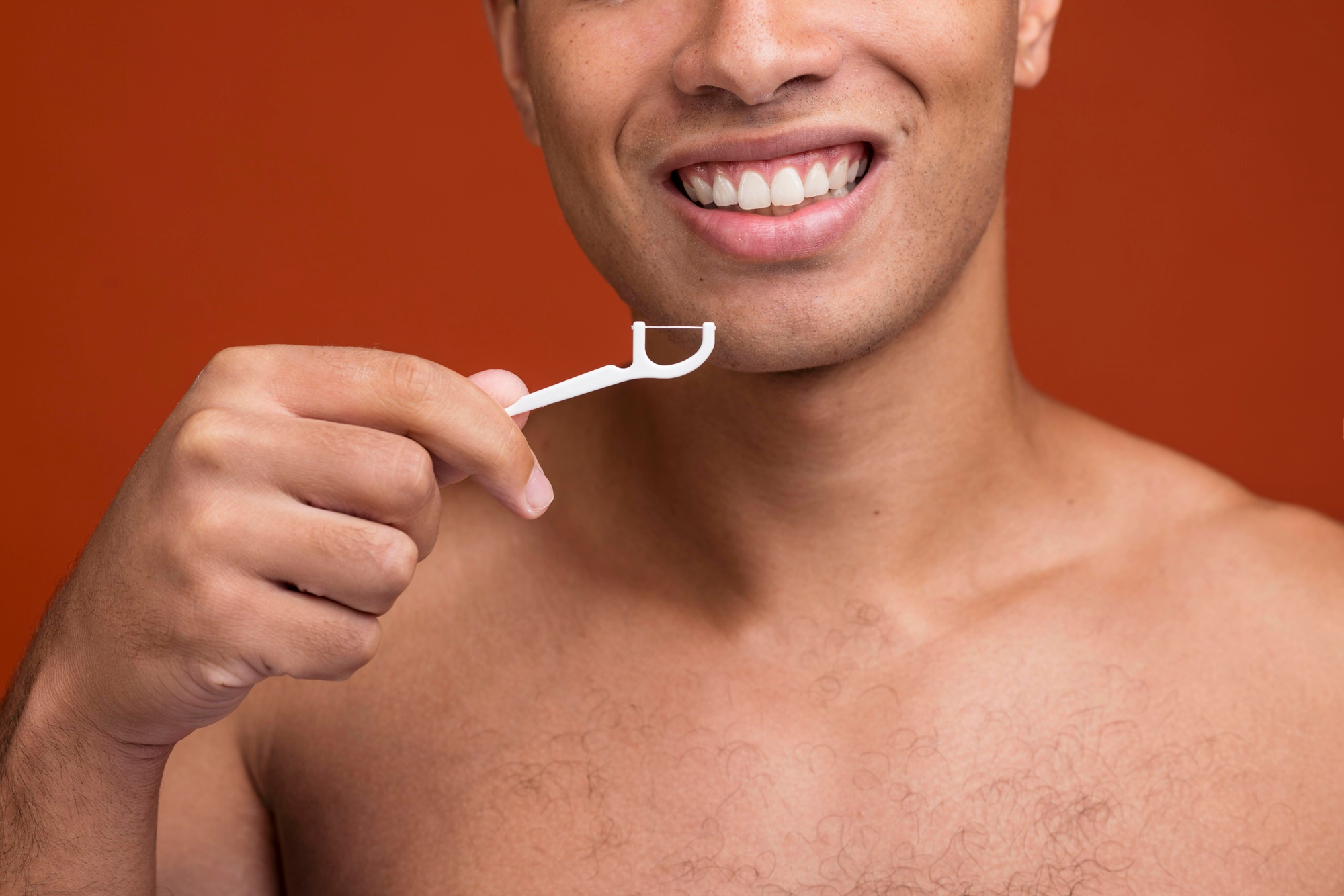
For those who struggle with traditional floss, the floss pick technique is a simpler and more convenient alternative. Floss picks were introduced in the late 20th century as a response to the common complaint that traditional floss was difficult to use. Eventually, dental product companies designed these small plastic tools to make flossing more convenient and user-friendly, especially for people with a tight schedule. Over the years, this technique has become a leading modern flossing method.
How to do it?
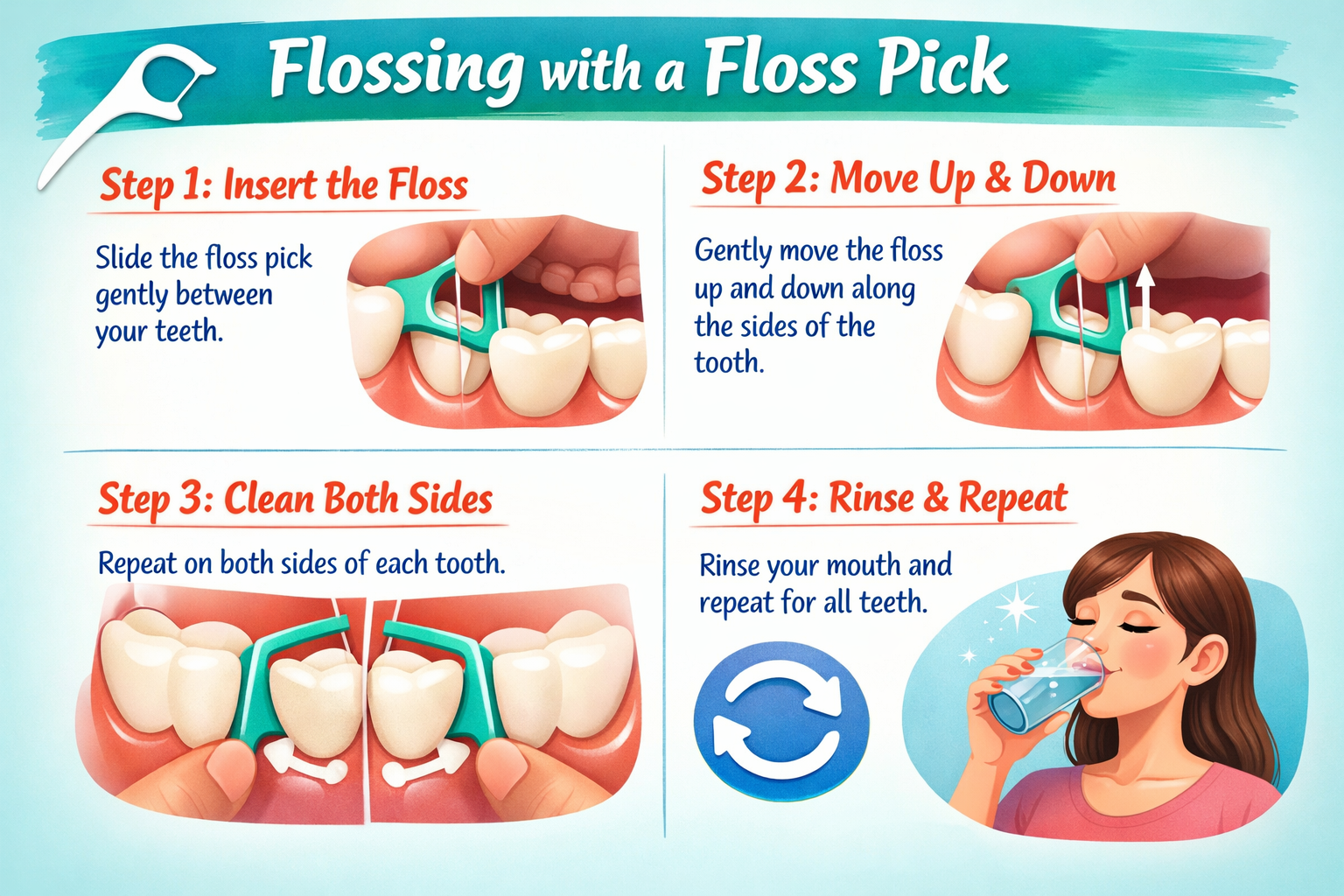
Step #1: Hold the floss pick firmly and gently guide the floss between your teeth.
Step #2: Move it up and down along the sides of each tooth, making sure to reach just below the gumline.
Step #3: Rinse the pick as needed and continue until all teeth are cleaned.
Why does it work?
As mentioned before, floss picks are easy to handle and require less coordination. Most importantly, common people who have a tight schedule can use it too.
Best for:
Beginners, children, or anyone looking for a quick and easy flossing option.
3. The Water Flossing Technique

Unlike other techniques mentioned, water flossing is a relatively modern innovation developed in the 1960s by dentist Gerald Moyer and engineer John Mattingly. Their invention led to the first oral irrigator, designed to use pressurized water to clean between teeth. Over the years, this technology has improved significantly and is now widely used as one of the most advanced flossing techniques.
How to do it?
Step #1: Fill the water flosser reservoir with lukewarm water and select a comfortable pressure setting.
Step #2: Place the tip in your mouth and aim it along the gumline, pausing briefly between each tooth.
Step #3: Allow the water to flush out debris and plaque as you move systematically across your mouth.
Why does it work?
This method is gentle on the gums and highly effective at removing debris, especially in hard-to-reach areas. Among modern flossing techniques, water flossing is particularly useful for people with braces, implants, or sensitive gums.
Best for
It is strongly recommended for people with orthodontic appliances, dental work, or those who find traditional floss uncomfortable.
Takeaway
Flossing may seem like a small step, but it plays a powerful role in maintaining long-term oral health. By understanding and applying the right flossing techniques, you can effectively remove plaque, prevent gum disease, and keep your smile fresh and healthy. Whether you prefer traditional string floss, floss picks, or water-based methods, the key lies in consistency and correct usage.
Still wondering if you are using the right flossing method for your teeth? At Delatite Dental, we are here to guide you with expert care and personalized dental solutions in Mansfield, Victoria. We help you master the right habits for a healthier smile. Book your appointment with us today and take the first step toward better oral health!