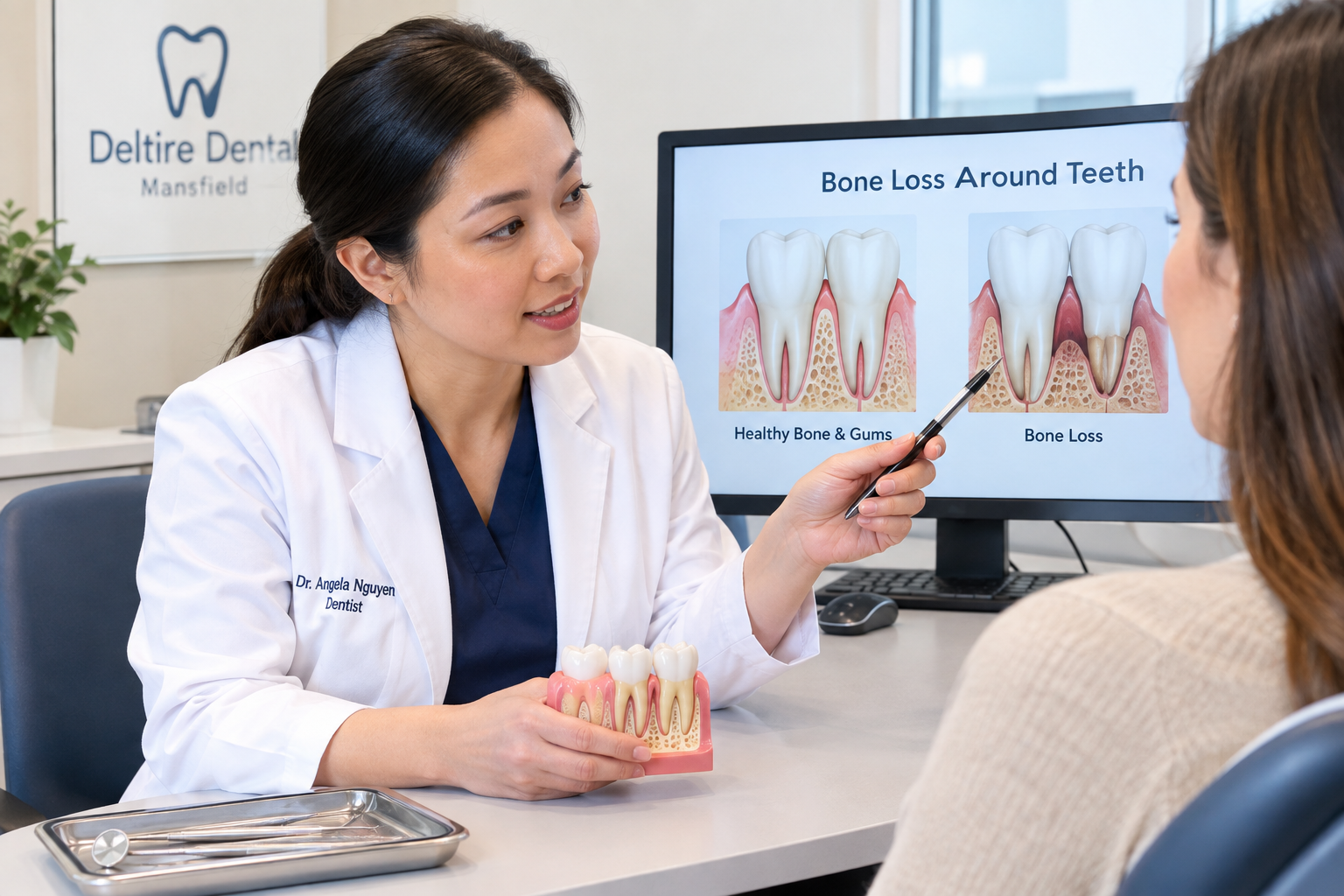

Dental fillings have been around for over 150 years… sounds kind of reassuring, right? But fillings have a limited lifespan, and the specific material used for your teeth filling 10 years ago might need replacement after a certain time. At some point, almost every adult either has a filling, needs one, or is sitting in a cavity they’ve been quietly ignoring for a long time. Dental fillings are one of the most common treatments in dentistry, but despite that,t most people have only a vague or incomplete understanding of them. When you Google dental filling, several images of a tooth covering up a cavity pull up. That mental picture is accurate as far as it goes, but it’s only a small piece of the bigger picture. While fillings cover holes, that’s just one aspect of their role. There’s much more to what they can accomplish and why they are important for long-term dental health.
So before you picture some tiny blob of material being stuck in a tooth and start imagining the worst-case scenarios, it’s worth looking at what fillings are all about.
So How Does a Dental Filling Work?
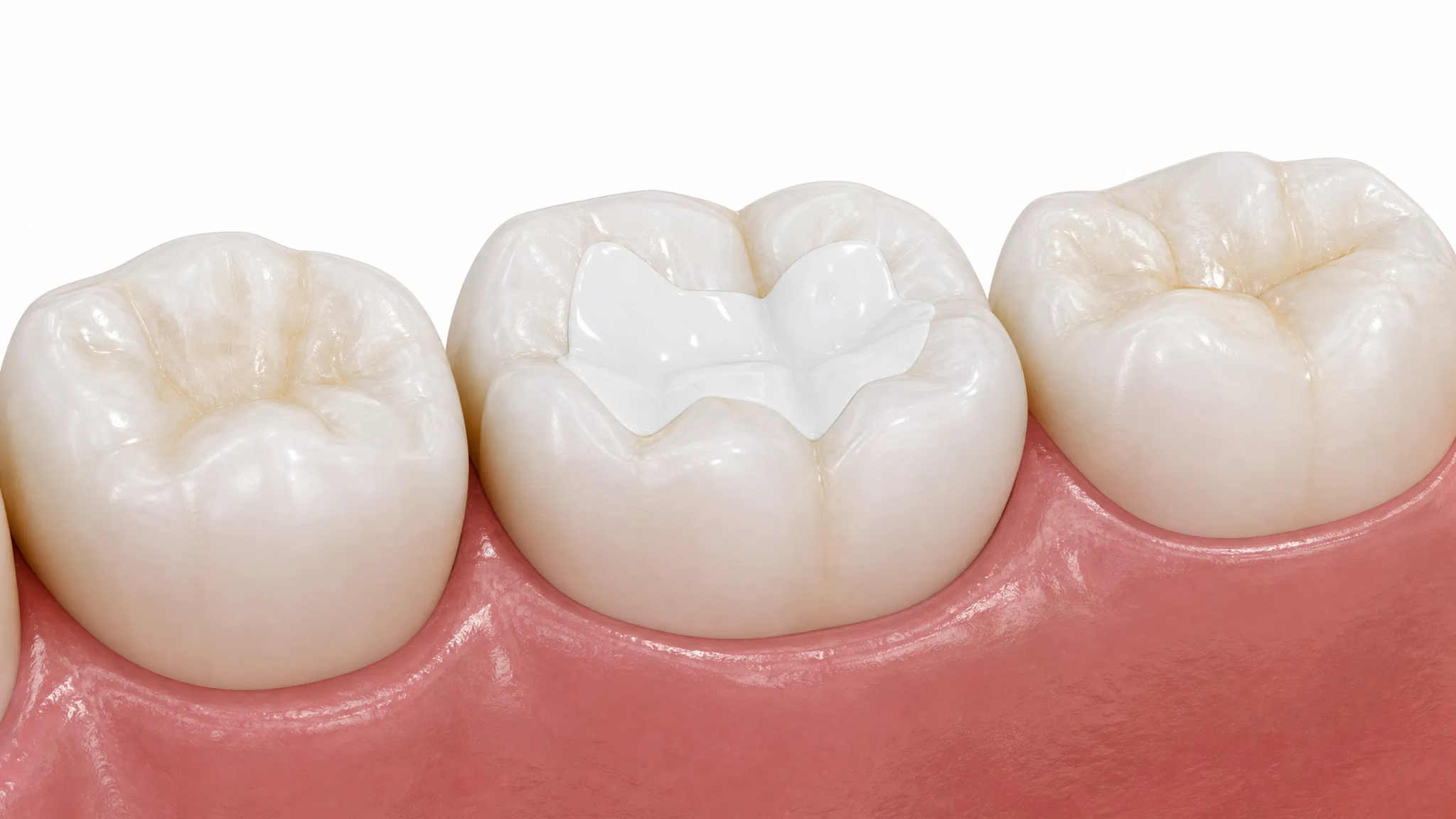
After the dentist drills out the decayed or broken part of the tooth, there’s an empty area that needs to be filled in to maintain the tooth’s structure. The space would weaken the tooth and make it vulnerable to further damage if left unsupported. The filling restores the lost portion of the tooth, giving it back the strength and shape it needs to handle everyday use like biting and chewing. Without that rebuilding process, the tooth could crack or break under normal pressure. Teeth have to withstand the pressure of chewing, rapid temperature changes, acidic foods, and sometimes even bad habits like biting into hard objects. This constant wear makes it important for a filling to be durable enough to handle all that.
After damage or decay, a tooth is weaker, but the filling restores its ability to handle the usual pressures of eating and daily use. It essentially gives the tooth back its strength to carry on.
The Different Filling Materials And Why They Exist
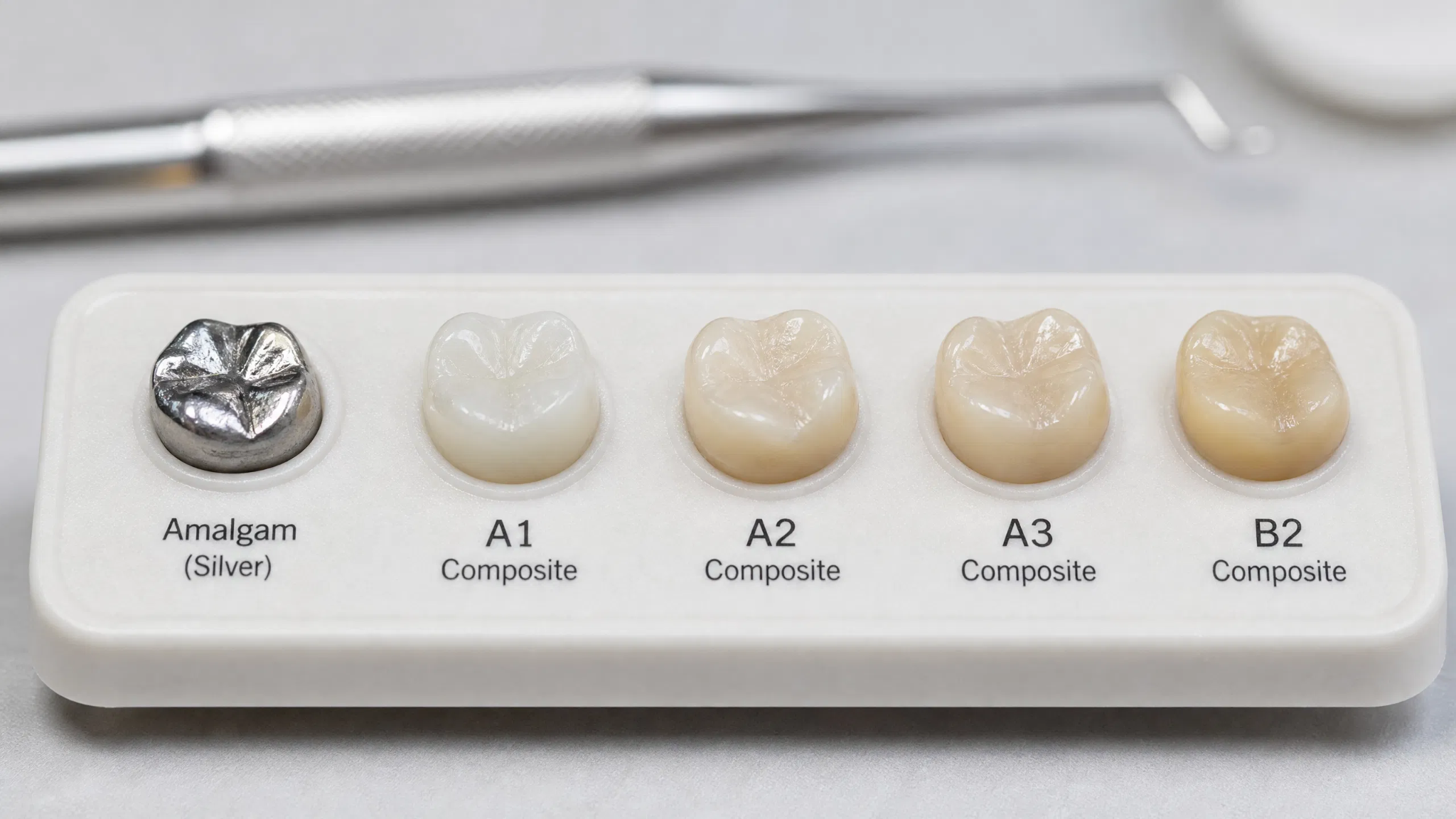
No filling material wins every race. If there were, then the ADA wouldn’t have spent all this time arguing over which one is best for patients. The ADA states that “amalgam has long been favoured for its durability and longevity, while resin composites have demonstrated improved clinical survival and performance. According to the National Institute of Dental and Craniofacial Research (NIDCR), composite resin fillings are being used more and more because patients desire the esthetic appeal of tooth-colored fillings, and these materials are constantly being improved.”
Here is the practical version:
| Material | What people usually notice | What it is known for |
| Composite resin | Tooth-coloured | Good appearance, widely used, continually improving |
| Amalgam | Silver-coloured | Durability, long history of use |
| Glass ionomer | Tooth-coloured | Useful in certain situations, often smaller or lower-stress areas |
| Ceramic/indirect materials | Tooth-like appearance | Custom-made restorations for larger or more complex repairs |
The crucial difference here is that the dentist is focused on what works for the patient. So the dentist bases the choice on whether it is the tooth, the size of the filling, the pressure on the tooth, the ability to prevent moisture, and, of course, whether it’s visible when smiling or talking.
A filling material isn’t something you buy off the shelf for every hole. More like a chisel that fits better with certain tasks.
How Long Fillings Last and When They Need Replacing
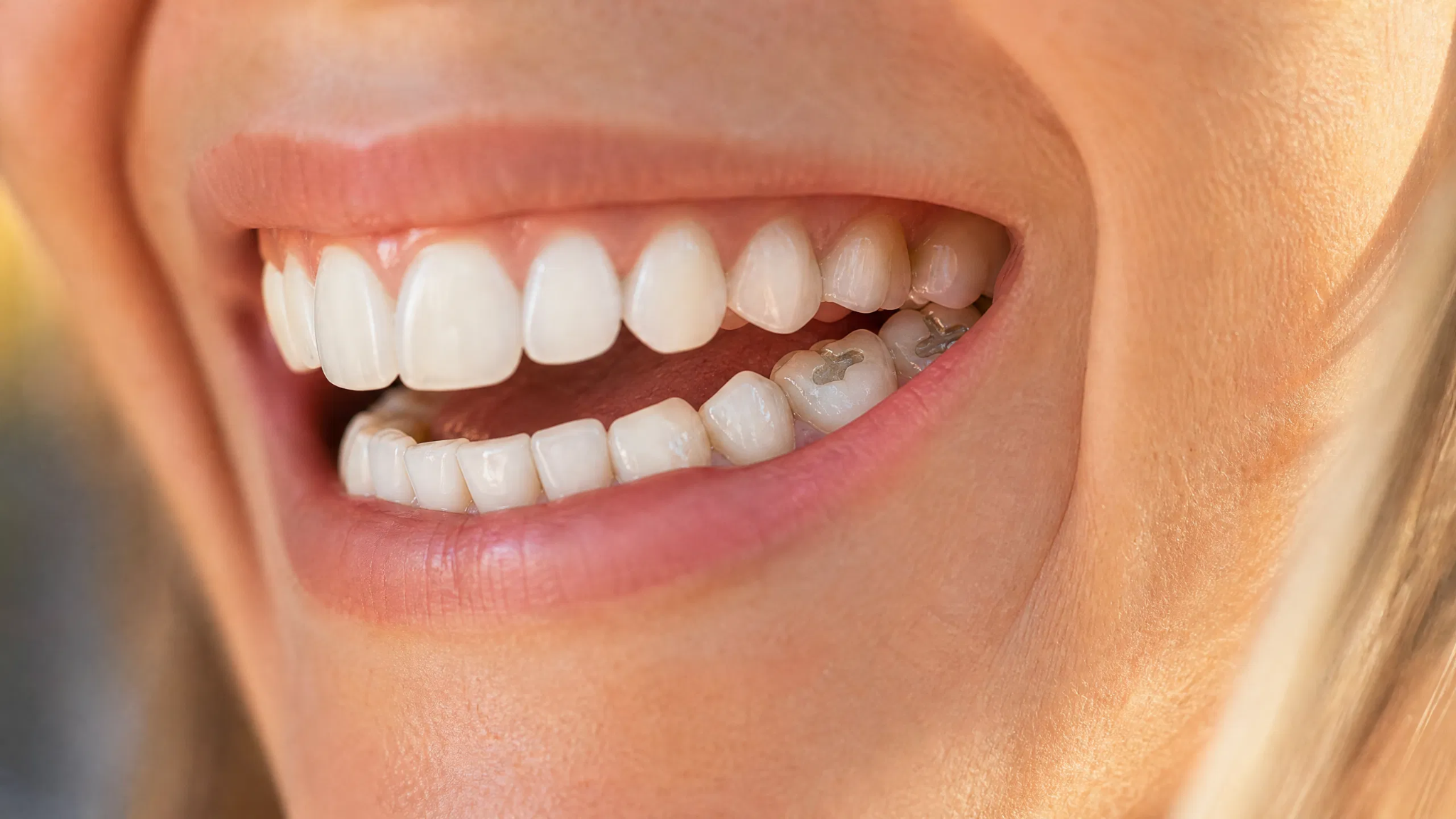
By now, you probably know that a filling is much more than a ‘plug for a hole’. It is something that restores your tooth so that you can chew, bite and smile comfortably without putting excess strain on a weakened area.
But here’s the thing…
A filling is not the end of the road.
It has a lifespan; it can age, it can wear down,n and in many ways, it is similar to the tyres on your car, in that it requires some maintenance and can eventually need replacing.
But don’t worry, most of the time, this does not happen suddenly, and your dentist will usually give you warnings that it may be getting close to the end of its useful life span.
What Are The Reasons For Replacing A Filling?
First of all, let’s talk about why fillings fail in the first place. One of the reasons that most people are unaware of is that.
Most fillings are replaced not for failure of the material itself but due to some form of activity occurring around the filling.
Some of the reasons that can contribute to the failure of a filling are as follows:
1. New Decay Around The Filling
One of the most frequent reasons for needing to replace a filling is due to new decay around or under it.
Here’s how it happens:
- This usually occurs when plaque accumulates around the filling and bacteria attack the tooth, attempting to break it down and feast on the sugars within it.
- This can cause new cavities to form around or under an existing filling.
- This is also sometimes referred to as ‘secondary decay’.
2. Normal Wear And Tear
Your teeth get a workout every single day.
Did you know that the average person chews approximately 1,000 times per day?
That’s over 350,000 times per year!
Now, imagine how many times you chew in 15 or 20 years!
Over time, even the strongest and toughest filling materials will start to show evidence of wear and tear.
This can include:
- surface erosion
- minor scratches
- edges wearing away
- loss of shine
They really are like shoes. They’re made to last, but they can only last for so long.
3. Teeth Grinding (Bruxism)
The act of grinding puts excessive pressure on fillings.
In some people, the pressure can be greater than what they exert when eating normally. This can cause fillings to chip and crack or put the tooth itself at risk of cracking and breaking.
Many people who are completely unaware that they do it can experience problems with their fillings before realising that they grind their teeth.
4. Cracks In The Tooth
Sometimes, the problem isn’t with your filling. In fact, it may well still be in perfect condition.
As the tooth that it’s in begins to age, it can develop small fractures in it.
If one of these develops where the filling is, trying to replace the filling alone may not fix the problem.
5. Large Fillings Are More Likely To Fail
As a general rule of thumb, the larger a filling is, the more likely it is to fail at some point in the future.
Small fillings generally leave behind a large amount of tooth structure, whereas big fillings leave behind less. This means that the tooth has to withstand greater forces from biting and chewing. It is therefore much more likely to crack and break as it is weaker than it used to be.
Warning Signs That Your Filling Might Need To Be Replaced
Contrary to what many people seem to believe, pain is not usually an early indicator for most problems with fillings.
Some of the warning signs that a filling may need to be replaced include:
Sensitivity Not Previously Seen
In particular, sensitivity to cold things such as;
- ice cream
- drinks
- sweet foods
Food Getting Trapped In The Same Place
If a filling keeps getting food stuck in it, this often means that the seal around it has broken down somewhat.
Rough Edges On The Tooth Surface
If you run your tongue over your tooth and suddenly notice rough patches, it might be a sign that it needs to be replaced.
Pain When Biting Or Chewing
Pain when biting something can sometimes be a sign that;
- the filling has cracked
- the tooth itself has cracked
- Bite imbalance
A Lost Filling
This one is obvious;s, however, it’s important not to leave your tooth like this for an extended period of time, regardless of whether it hurts or not.
If the tooth is already compromised, chances are very good that it will have to be restored somehow.
Why Would A Dentist Want To Replace A Filling That Is Not Hurting?
This is one of the questions that most commonly comes up. The simple answer is that pain is usually a late sign in most situations.
When a tooth is hurting, there’s a good chance that;
- the decay has gotten close to the nerve
- the crack has gotten significantly bigger
- the bacteria have gotten far enough to infect the nerve
Dentists will often want to replace fillings due to certain signs that they see when they are looking closely at them.
These can include;
- tiny gaps around the edges
- early signs of decay
- tiny cracks
- problems with how the filling contacts the tooth when chewing
- visible breaks under magnification
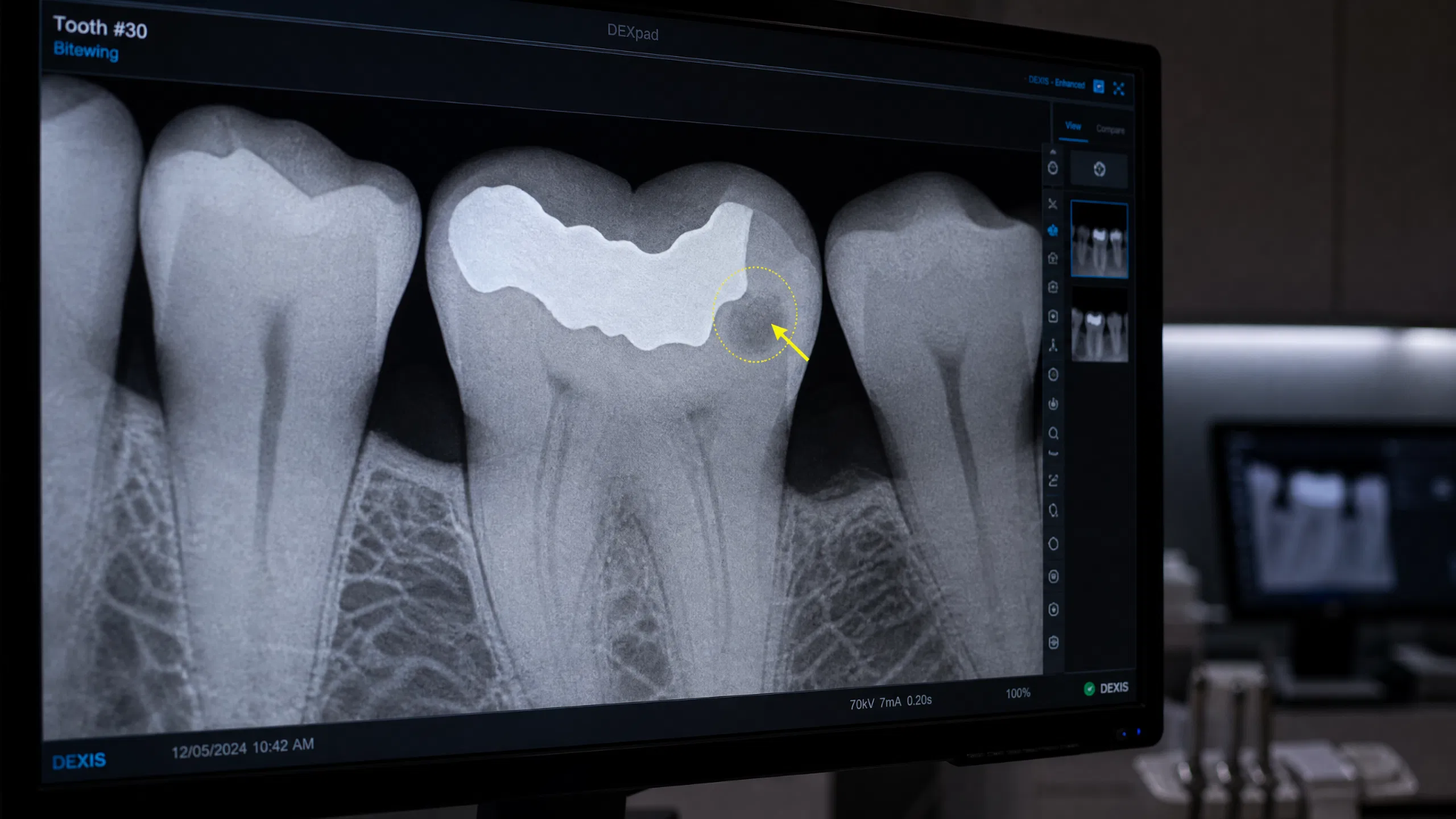
- changes visible on X-rays
These things might not be apparent to you, which is why it’s so important to have regular checkups with your dentist. When these issues are addressed early, they can often be resolved without needing crowns or other extensive measures.
How Do Dentists Decide On Which Material To Use For A Filling?
There is no simple answer. This depends on many different factors,s and every dentist is likely to think about things slightly differently.
Things that dentists take into consideration when choosing a filling material include:
✓ The tooth needing the filling
✓ Whether it’s on the front or back
✓ How much tooth structure remains
✓ The size of the filling
✓ The amount of force placed on it when chewing
✓ Whether the patient grinds their teeth or not
✓ The appearance of the restoration
✓ How much moisture there is when placing the restoration
✓ The history of previous restoration
It’s like buying new tyres. There’s no point in fitting racing tyres on an off-road vehicle, and likewise there’s not much point in putting gold coloured fillings on teeth that you chew with all day.
Delatite Dental: Helping Your Teeth Get More Life Out of Every Filling
Fillings have a limited lifespan and will eventually need replacement, but that does not mean they are totally unreliable. Choosing the right material, maintaining good brushing and flossing habits, and visiting your dentist regularly can help a filling last for many years.
At Delatite Dental, our practice goes beyond doing filling procedures. We actively track your progress and filing’s condition during regular checkups. We look for any signs that might cause trouble later. Reach out to our team in Mansfield, Victoria to catch your dental issues early. Every filling has a lifespan, but every natural tooth is worth protecting.
Frequently Asked Questions (FAQs)
1). How long can I expect my filling to last?
The lifespan of a filling varies depending on the type of filling and how much wear and tear it has to endure. Many types of fillings today can last more than ten years, and some can even last a lifetime if they are not subjected to extreme wear and tear or decay.
2). Can they just fix the part of the filling that is damaged?
In some cases, yes, small chips or imperfections along the edges can sometimes be repaired. However, you should visit your dentist to see if it is possible. They are the ones who know whether the filling is still intact or not.
3). Why is my filling sensitive?
Sensitivity is a common side effect after getting a filling that usually only lasts a few days. If it continues to bother you, or you find it difficult to bite down, it is best to see your dentist.
4). Can cavities form underneath a filling?
Cavities can occur around or underneath a filling. If they are not taken care of, they can spread and destroy the filling.
5). Is it normal for my bite to feel uneven/choppy?
No, you should immediately contact your dentist and ask him to adjust your filling. In some cases, you can fix it yourself if you have some dental floss on hand.
6). Should old silver fillings be replaced?
Sometimes, if the amalgam is doing its job, there is no need to replace it unless it begins to leak, crack, or decay.
7). Can I eat after having a filling placed?
In most cases, for tooth-colored composite resin, you can eat shortly after getting your filling as long as the numbing has worn off. Your dentist may give you different instructions depending on the type of filling you have, so it is best to ask them first.
8). Can I prevent my fillings from ever needing to be replaced?
You can prolong their lifespan, but you can’t prevent the natural decaying process. It is important to take care of your teeth and mouth to avoid extra procedures.