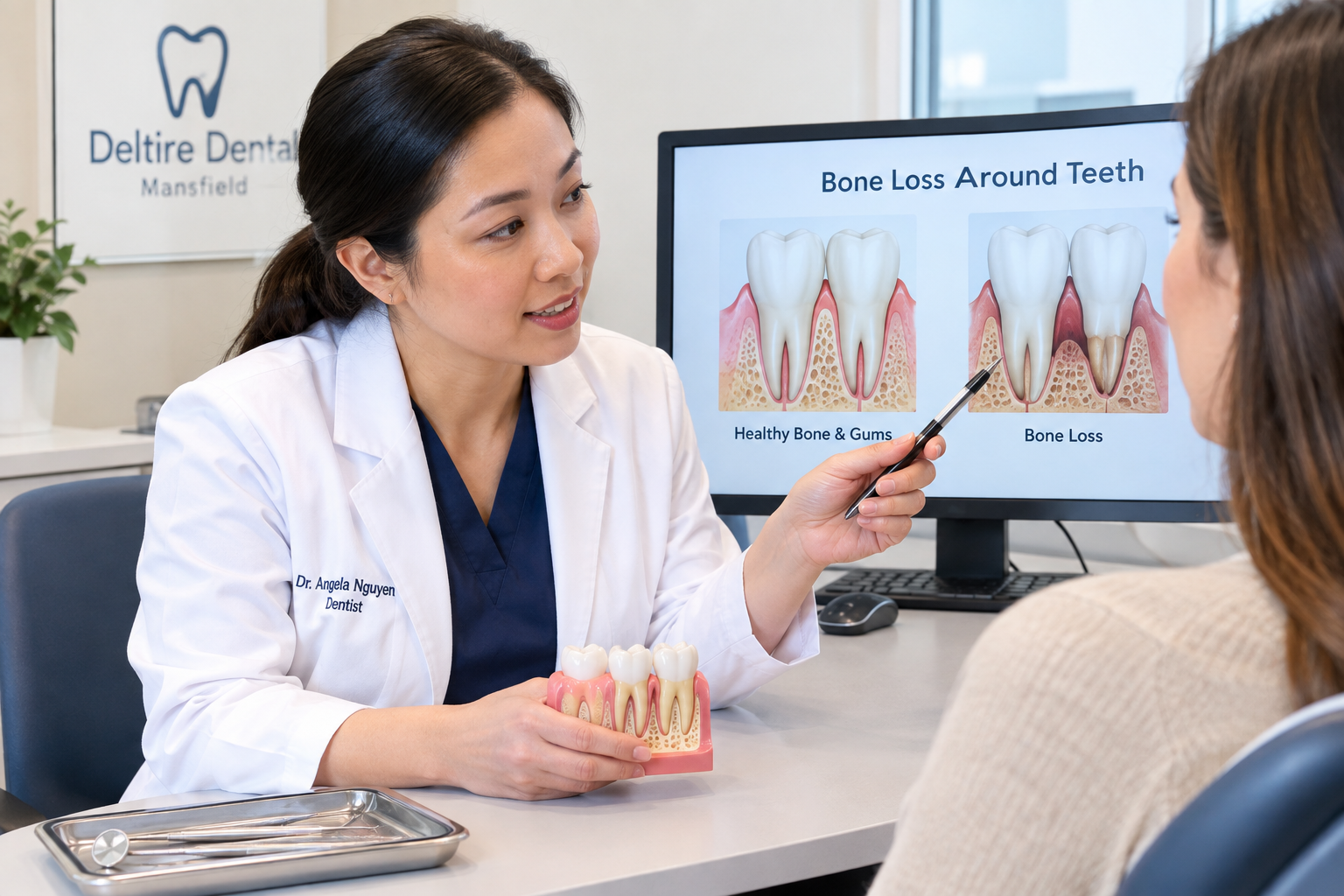

Preview: This is part 2 of our dental crown treatment guide, where we go beyond lifespan and focus on what comes next. Learn the warning signs, care tips, and simple habits that can help your crown last longer and stay problem-free.
In part one of the series, we covered how long dental crown treatments typically last and what factors play into their durability. But lifespan is only half the story. So, what you need to know is: how can you tell when a crown is starting to fail? What can you do to help it last as long as possible? And what warning signs should you never brush off? In this part, we’re breaking it all down; just practical advice to help you protect your smile and know exactly what to look for.Signs a Dental Crown May Need Replacement
Even the best crown is not designed to last forever. Think of it like a well-made roof on a house; it can protect you for decades, but eventually, wear and tear take their toll. That’s why regular dental checkups are so important. Your dentist keeps an eye on existing crowns to catch any issues early. Here are some common signs that your crown might need attention:
● Sensitivity or Discomfort
If you suddenly notice a sharp twinge when you bite down, or in some other scenarios, like when hot or cold water makes you wince around that crowned tooth, pay attention. It could mean the crown has shifted slightly, or it no longer fits or that the natural tooth underneath is developing decay. Don’t ignore it; early detection can often mean a simple fix instead of a full replacement.
● Visible Damage
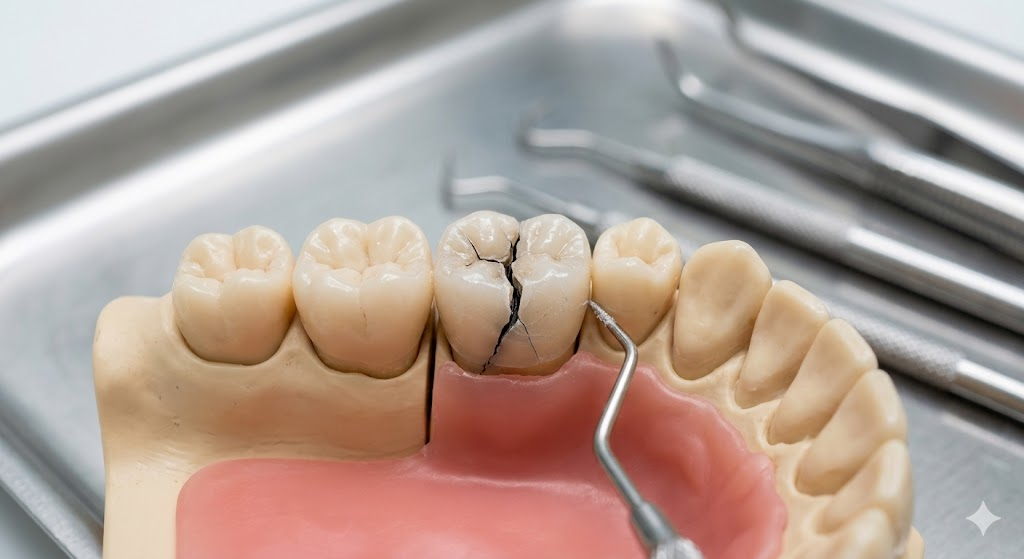
Crowns are solid, but they are not indestructible. After years of chewing, grinding, or even the occasional unexpected crunch on something hard, a crown can chip, crack or wear down. Sometimes these small fractures don’t hurt at all, which can be deceiving. Even if you’re not in pain, a cracked crown is a weakness and more likely to fail when you least expect it.
● Looseness or Movement
Does your crown feel just a little… wobbly? Or does it shift slightly when you push on it with your tongue? This usually means the dental cement that holds it in place has started to break down. If the crown itself is still in good shape, your dentist can often clean it off and re-cement it right back in place. But if you wait too long, bacteria can sneak in and cause decay underneath.
● Gum Recession Around the Crown
As we get older, it’s natural for gums to recede slightly. But when that happens around a crowned tooth, it can expose the margin. That thin line where the crown meets your natural tooth. This doesn’t automatically mean the crown needs to be replaced, but it does mean your dentist needs to take a close look.
● What Dentist Look for
Dentists focus on cosmetic dentistry and long-term results. We pay close attention to these subtle changes during your routine exams. The goal is always the same: catch small issues early, so they can be addressed simply, before they turn into bigger problems down the road.
How to Make a Dental Crown Last Longer
No one wants to go through the time and expenses of replacing a crown sooner than they have to. The average crown can last up to 10-15 years, and sometimes they can last 20,25 or even more years. There are a few things that have to be taken care of:
1. Keep Up With Your Daily Oral Hygiene
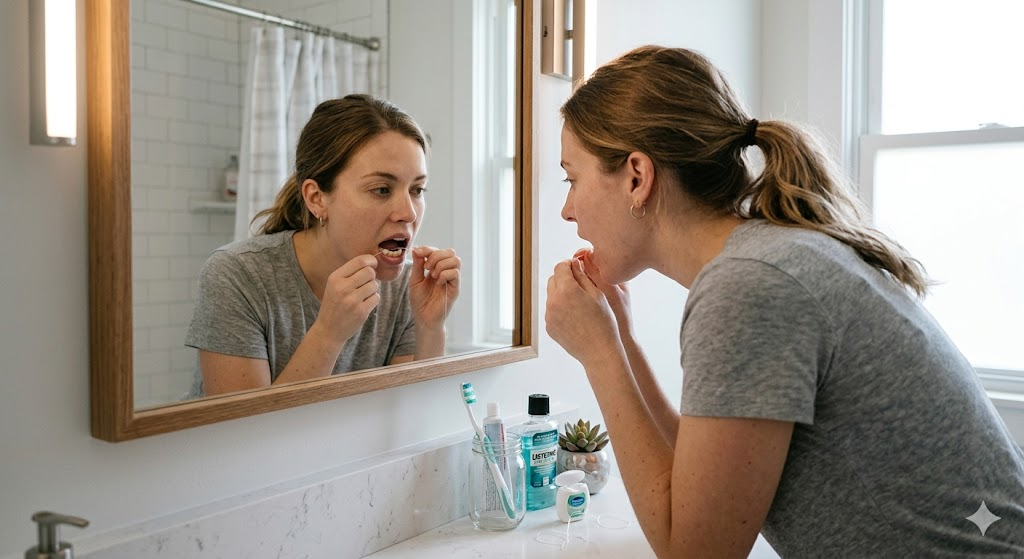
This one might seem obvious, but it’s worth saying: brushing twice a day and flossing daily are non-negotiables. A crown itself won’t get a cavity, but the natural tooth underneath it absolutely can. Plaque and bacteria love to hang out right along that margin where the crown meets your gum line. If they’re allowed to build up, they can slowly cause decay deep underneath where you can’t see it. By the time you feel it, the damage might already be significant.
2. Don’t Skip Dental Checkups
Regular dental visits are about way more than just getting your teeth cleaned. When your dentist looks at the existing crown, they are checking a few important things:
- Does it still feel snuggly?
- Are the gums around it healthy?
- Is your bite putting uneven pressure on it?
3. Give Your Teeth A Break
We all have habits we don’t think twice about. Chewing on ice, biting your nails, using your teeth as scissors to rip open a package. Your natural teeth can handle some of it, but a crown, not so much. These habits put sudden, extreme pressure on your crown and can cause it to crack or loosen. A good rule of thumb: if it’s not your food, don’t put it in your mouth.
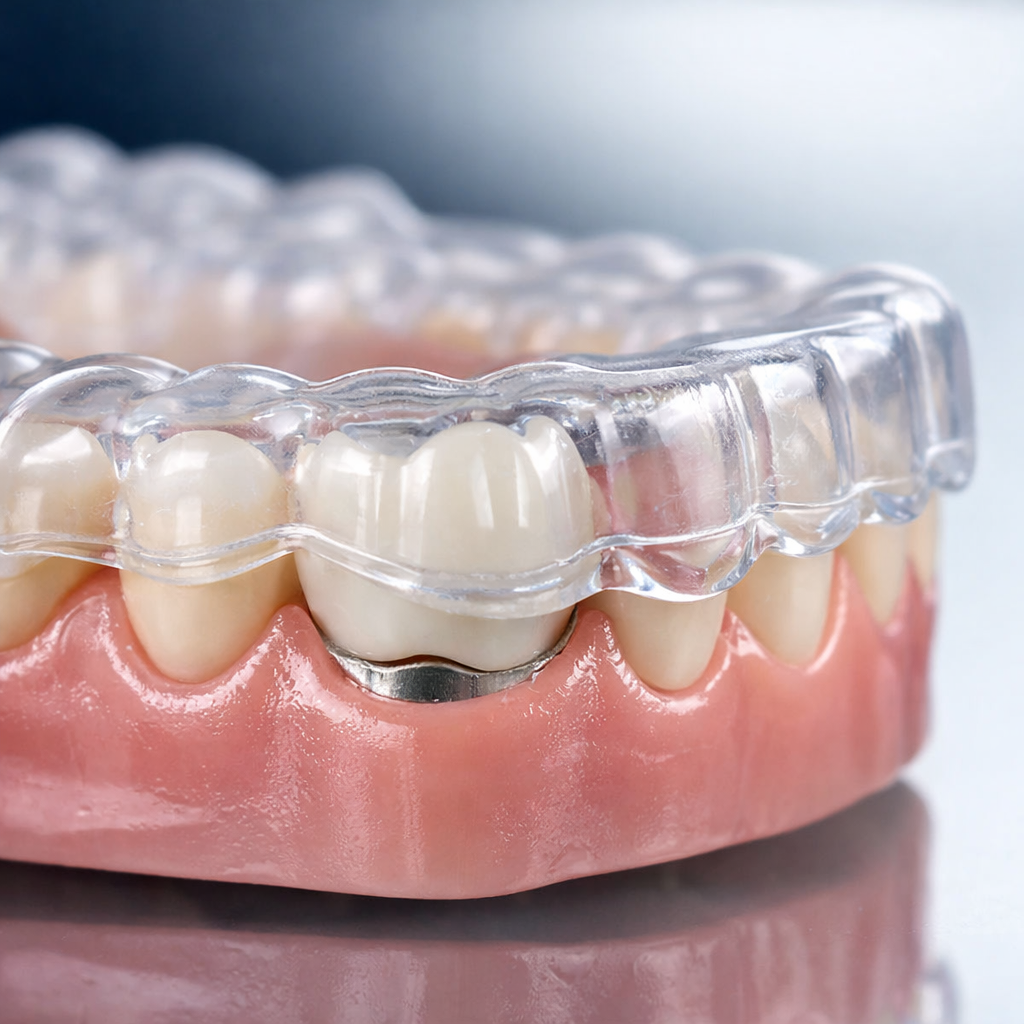
4. If You Grind At Night, Get a Night Guard
Do you wake up with a sore jaw, headaches, or notice your teeth look flatter than they used to? You might be grinding your teeth in your sleep. This is called Bruxism, and it’s incredibly hard on crowns. Grinding puts constant, heavy pressure on your teeth hour after hour, night after night.
Conclusion
A crown is an investment in your smile. And like any good investment, it pays off when you protect it. With consistent brushing and flossing, regular dental checkups, a few smart habits, and a night guard if you need one, you can help your crown last well beyond that average 15 year mark.
The team at Delatite Dental in Mansfield can assess your dental crown treatment, identify any issues, and guide you on the best next steps.
Contact us for scheduling a consultation.
Frequently Asked Questions (FAQs)
Q.1. How long does Dental Crowns Treatment usually last?
Dental Crowns Treatment procedures are known to take between 10 and 15 years under normal circumstances. Dental crowns are also known to last longer than two decades as long as patients brush regularly and avoid behaviours that put pressure on their teeth.
Q.2. Can a dental crown last 20 years?
It is possible for a dental crown to last two decades or more. Dental crowns are affected by various factors, including the material they are made of, patient bite pressure, oral hygiene, and regular checkups.
Q.3. What causes dental crowns to fail?
Dental crowns are bound to fail as a result of tooth decay around the edges of the crown, excessive grinding or clenching of teeth, cracks in the crown, or weak cement holding the crown in place.
Q.4. Do dental crowns get cavities?
Dental crowns are not prone to getting cavities, but the underlying tooth structure is vulnerable. Plaque formation around the edges of the crown could result in tooth decay around the underlying tooth structure.
Q.5. Can a dental crown come off?
Yes, although this is rare. Dental crowns can become loose if the cement holding the tooth in place becomes weak or the tooth changes over time. However, dentists can easily cement the tooth again as long as the tooth is not damaged.
Q.6. Does replacing a dental crown hurt?
Replacing a dental crown is usually a painless procedure. Dentists can easily remove the old tooth restoration, examine the tooth beneath the restoration, and then place a new restoration if necessary.